In many rural areas across the United States, access to specialized dental care is a distant goal rather than a nearby option.
Patients may have to drive an hour or more just to sit in a chair for a root canal or other complex treatment.
The geographic gap in care shapes outcomes, governs decisions about routine maintenance, and forces families to make hard choices about health and finances.
Consider a patient in rural Wyoming who needs an endodontist. The journey is long, scheduling becomes a labyrinth, and the disruption to daily life reverberates through work, school, and family routines.
A child in South Dakota may face an eighty minute drive for specialty pediatric dental care, adding hours of travel to meals, medications, and bedtimes that already stretch family resources.
Distance converts potential care into postponed care. When a routine appointment becomes an all day affair, many families cancel or delay.
That delay can allow infections to worsen, teeth to lose vitality, and pain to rise while there may have been an opportunity for a simple drill or preventative visit. The ripple effects touch education, productivity, and overall well being.
Meanwhile, the most vulnerable patients bear the largest burden. Rural patients often lose time from work, miss school, or skip care altogether because travel costs and time away from home are real trade offs.
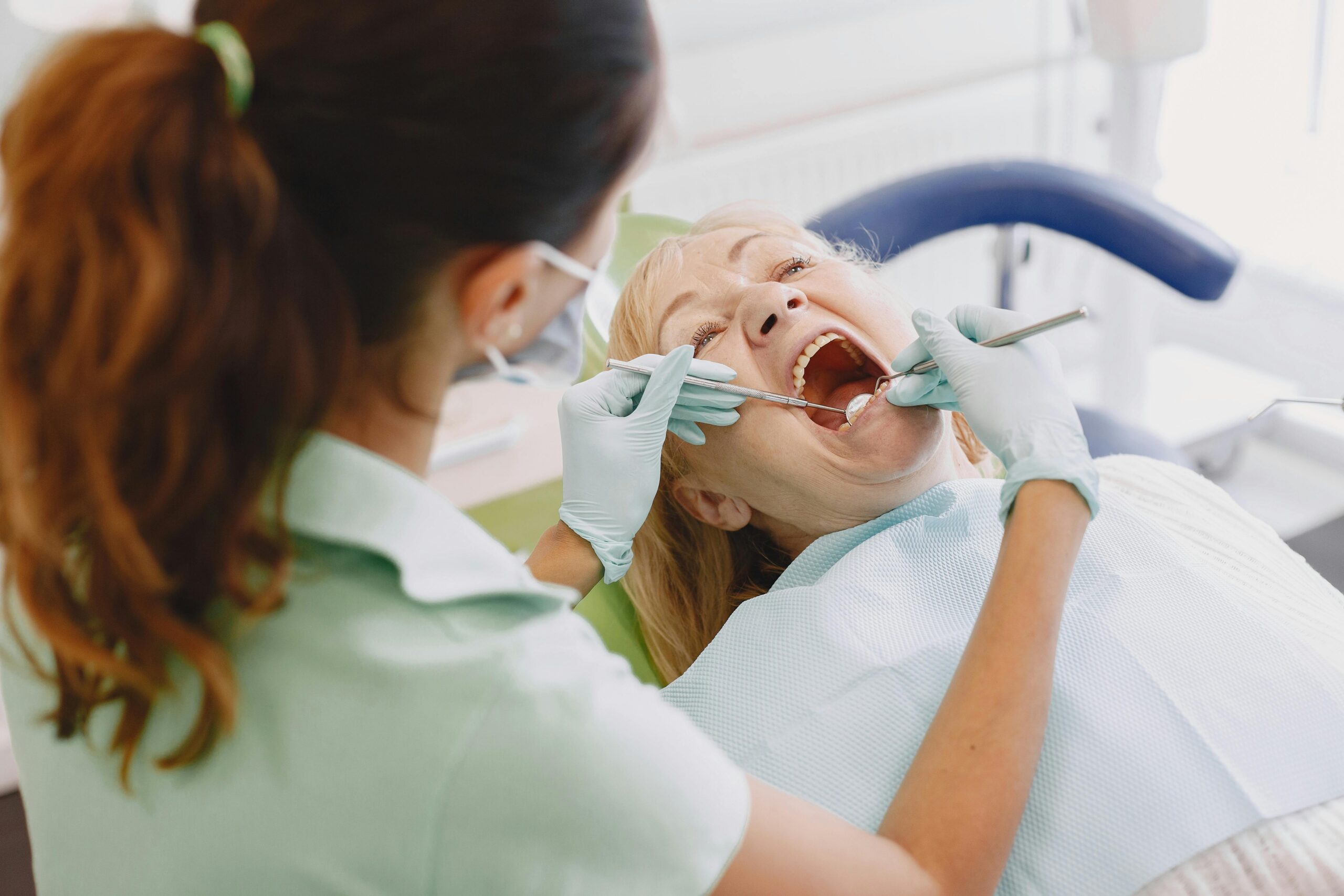
For seniors with chronic conditions or parents juggling multiple children, the cumulative strain can mean simply forgoing care until a crisis demands attention.
Shortages of specialists in rural settings help explain the problem. There are fewer endodontists and pediatric dental experts in small towns, and the incentives to relocate are modest.
The result is a distribution of talent that favors urban centers, leaving rural residents with limited options and longer waits, often compromising the timeliness and quality of care they deserve.
Technology offers some relief. Tele dentistry can support remote screening and consultation, and it can help general dentists prepare for complex procedures. Remote guidance can reduce unnecessary trips and triage cases effectively.
Yet not every problem can be solved at a screen, and hands on care remains essential in many cases, especially when precision and vitality are at stake.
Policy makers and private providers must align incentives to expand access.
Encouraging cross state licensing, supporting mobile clinics, and funding training programs can move the needle because long term savings accrue when problems are addressed early, reducing emergency visits and preserving workforce participation.
practical approach recognizes the reality of rural practice while rewarding responsible innovation.
An approach that blends the strengths of local practice with visiting specialists can reduce the burden on families.
When a patient can be seen locally for initial evaluation and only travels for truly specialty care, the total time away from work and school drops, and families can maintain routines that anchor stability in communities.
From a health economics perspective, preventing complications is cheaper than treating them later. When dental disease advances, the costs of pain management, emergency care, and restorative work rise.
MORE NEWS: Viral Reddit Life Cheat Codes Explode with Advice on Fitness, Sleep and Compound Interest
Early and accessible care for rural residents benefits the entire health system by maintaining function, supporting children through schooling, and reducing the invisible costs of untreated pain.
Communities can organize better navigation for families. Clinics can provide transportation options, flexible hours, and clear guidance on when a visit is necessary.
At the same time, private practices should be allowed to innovate with outreach and mobile services that reach people who cannot easily travel, including those in distant corners where every mile matters.
Ultimately the question is not only about care but about the health of communities. When rural residents lose access to dentistry, other health issues and quality of life also suffer.
The answer lies in a pragmatic mix of private initiative and targeted policy support that respects patient autonomy while extending practical options, practical pathways that do not force yesterday toward tomorrow.
We owe rural Americans a dental system that does not force them into a lifetime of journeys that drain resources and time.
Strengthening access to specialty care in these communities is a matter of balancing liberty, responsibility, and medical prudence, and it should be a priority for leaders who value practical, evidence based solutions.
Join the Discussion
COMMENTS POLICY: We have no tolerance for messages of violence, racism, vulgarity, obscenity or other such discourteous behavior. Thank you for contributing to a respectful and useful online dialogue.