Reports of a hantavirus cluster connected to a cruise ship in the Atlantic have raised questions for travelers, especially those in Florida, about the safety of cruising.
Public health experts, however, say the overall risk remains low.
They emphasize that understanding the context of the outbreak can help keep the situation in perspective.
Hantavirus is not a new infection, but it is uncommon.
The virus is primarily carried by rodents, and humans are typically exposed when they encounter environments contaminated with rodent urine, droppings, or saliva.
Although infections in people are rare, hantavirus can cause serious illness.
According to the World Health Organization, infection can lead to hantavirus cardiopulmonary syndrome, a severe respiratory disease with a case fatality rate of up to fifty percent in the Americas.
In the recent cruise ship outbreak, health officials have identified a small number of serious cases, including fatalities. Early findings suggest that exposure to the virus may have occurred before passengers boarded, but investigations are continuing.
Dr. Sten Vermund, dean of the USF Health College of Public Health and chief medical officer of the Global Virus Network, said, “This is a rare event, and it’s important not to overgeneralize the risk.”
He explained that hantavirus infections are usually linked to environmental exposure rather than normal person-to-person spread or travel settings such as cruise ships.
He noted that this incident marks the first recorded hantavirus outbreak on a cruise ship and that researchers are still determining whether unique circumstances contributed to it.
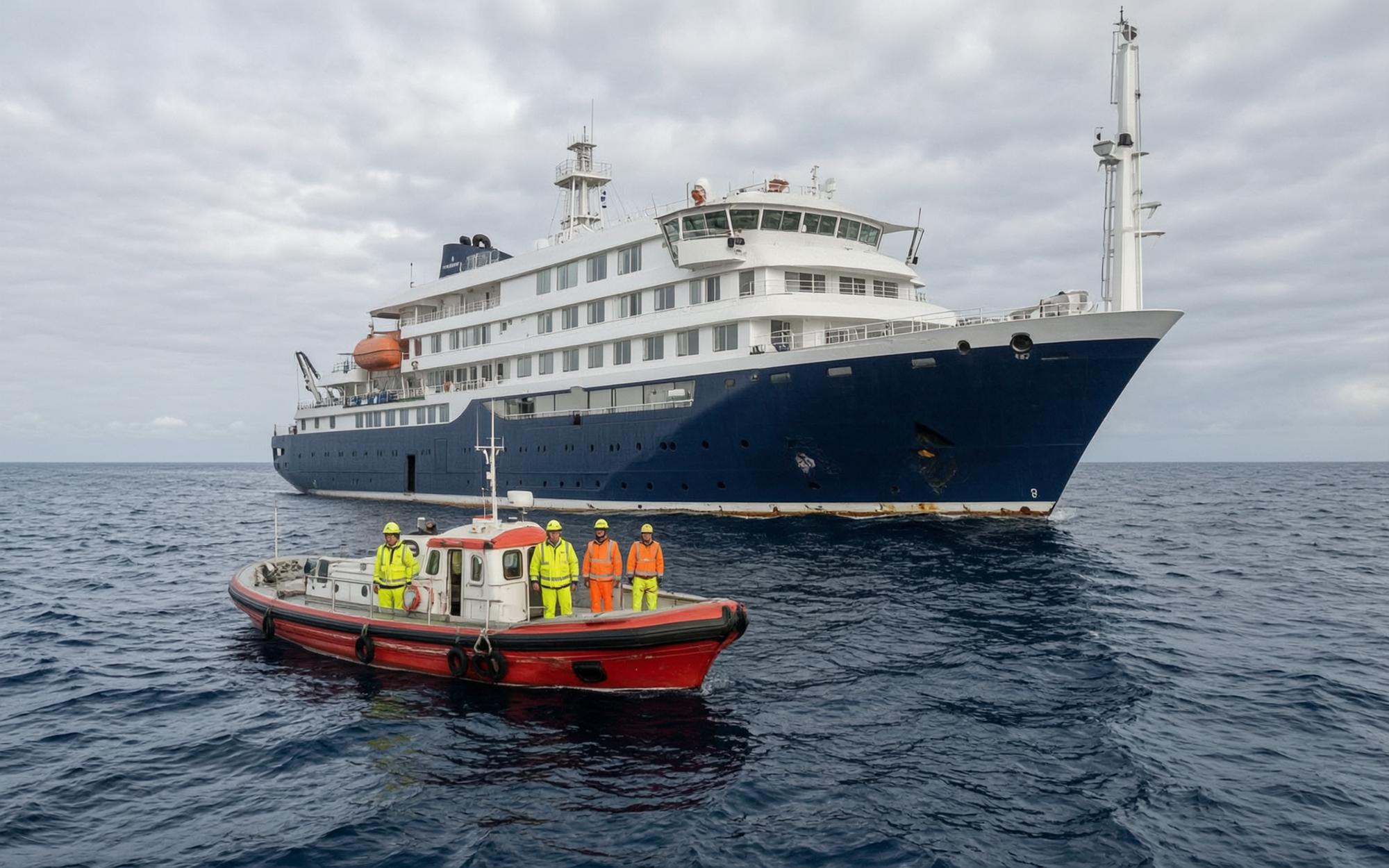
Unlike COVID-19 or influenza, hantavirus does not spread easily between people. In most cases, individuals become infected after breathing in dust from areas contaminated by rodents.
Health authorities have linked the cruise ship illnesses to the Andes strain of hantavirus, the only known type capable of spreading from person to person. Officials are investigating whether any onboard transmission occurred, though this form of spread is uncommon and typically requires close and extended contact.
Early symptoms of hantavirus infection can resemble influenza and may include headache or gastrointestinal problems such as nausea, vomiting, or abdominal pain.
Florida remains one of the world’s largest cruise hubs, accommodating millions of passengers every year. Experts say the current outbreak does not indicate a broader threat to cruise travelers.
“Cruise ships have strong health and sanitation protocols, and there is no evidence that being on a typical cruise increases the risk of hantavirus,” Dr. Vermund said. He added that the industry already prioritizes rodent control, which may explain why such outbreaks have not occurred previously.
Cruise operators also have experience managing the spread of other infectious diseases more common in travel environments, such as norovirus, influenza, and COVID-19.
For most passengers, prevention remains simple: avoid contact with areas where rodents could be present and seek medical attention if symptoms develop after possible exposure.
While the episode appears isolated, it serves as a reminder that viruses sometimes emerge in unexpected settings.
“This is a good example of the continued value of public health surveillance and research,” Dr. Vermund said. “The goal is to ensure we are ready to respond quickly and effectively when unusual events occur.”
Most travelers face a very low risk of infection. The situation, experts say, is noteworthy but not a reason to cancel cruise or other travel plans.
Join the Discussion
COMMENTS POLICY: We have no tolerance for messages of violence, racism, vulgarity, obscenity or other such discourteous behavior. Thank you for contributing to a respectful and useful online dialogue.