The World Health Organization has declared an international public health emergency as Ebola cases surge in the Democratic Republic of Congo and neighboring Uganda, igniting concern about the potential spread of the virus beyond Africa.
The Centers for Disease Control and Prevention confirmed that one American has tested positive for Ebola while working in Congo and is being transported to Germany for treatment.
At least six other Americans exposed to the outbreak are being evacuated as part of a coordinated “safe withdrawal” process.
As of May 18, health authorities have reported 11 confirmed and 336 suspected cases, including 88 deaths in the DRC. The Bundibugyo virus, one of four known Ebola strains, has been identified in this outbreak.
The World Health Organization said the decision to declare a global health emergency reflects concern about the “scale and speed” of transmission. Although the outbreak does not yet meet the threshold for a pandemic, officials warned that further spread remains a risk.
In response, the U.S. State Department raised its travel advisory for the DRC to Level 4, the highest warning, urging Americans to avoid the region.
“This is a rapidly evolving situation, and case counts are subject to change,” the CDC said in a statement.
Ebola is transmitted person-to-person through contact with infected blood and body fluids.
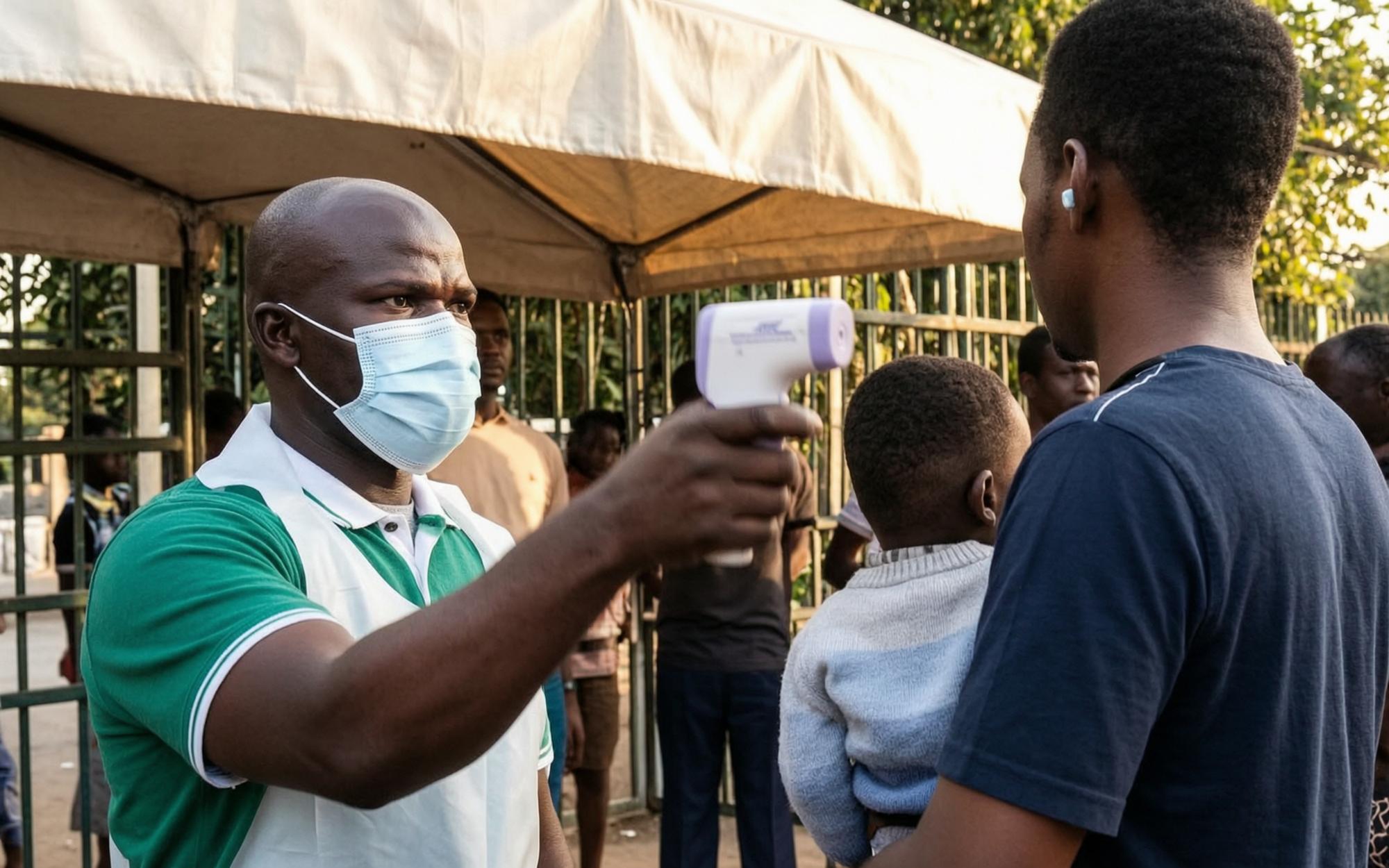
Experts say this makes travel-related spread possible, though limited. Dr. Jacob Glanville, an immunologist at Centivax in San Francisco, told Fox News Digital that the virus’s incubation period ranges from two to 21 days.
“It is thus possible for Ebola to move across international borders silently, bypassing screening,” Glanville explained, noting that some travel restrictions have already been implemented.
He added that because the outbreak had been spreading “silently for months,” it remains possible that an infected traveler could have arrived in the U.S. before restrictions were tightened.
However, Glanville emphasized that the overall likelihood of Ebola entering the United States remains low.
Dr. Robert H. Hopkins, Jr., medical director of the National Foundation for Infectious Diseases, agreed, calling the risk to American communities “very small.”
He explained that infection occurs primarily through direct exposure to bodily fluids and rarely from animals.
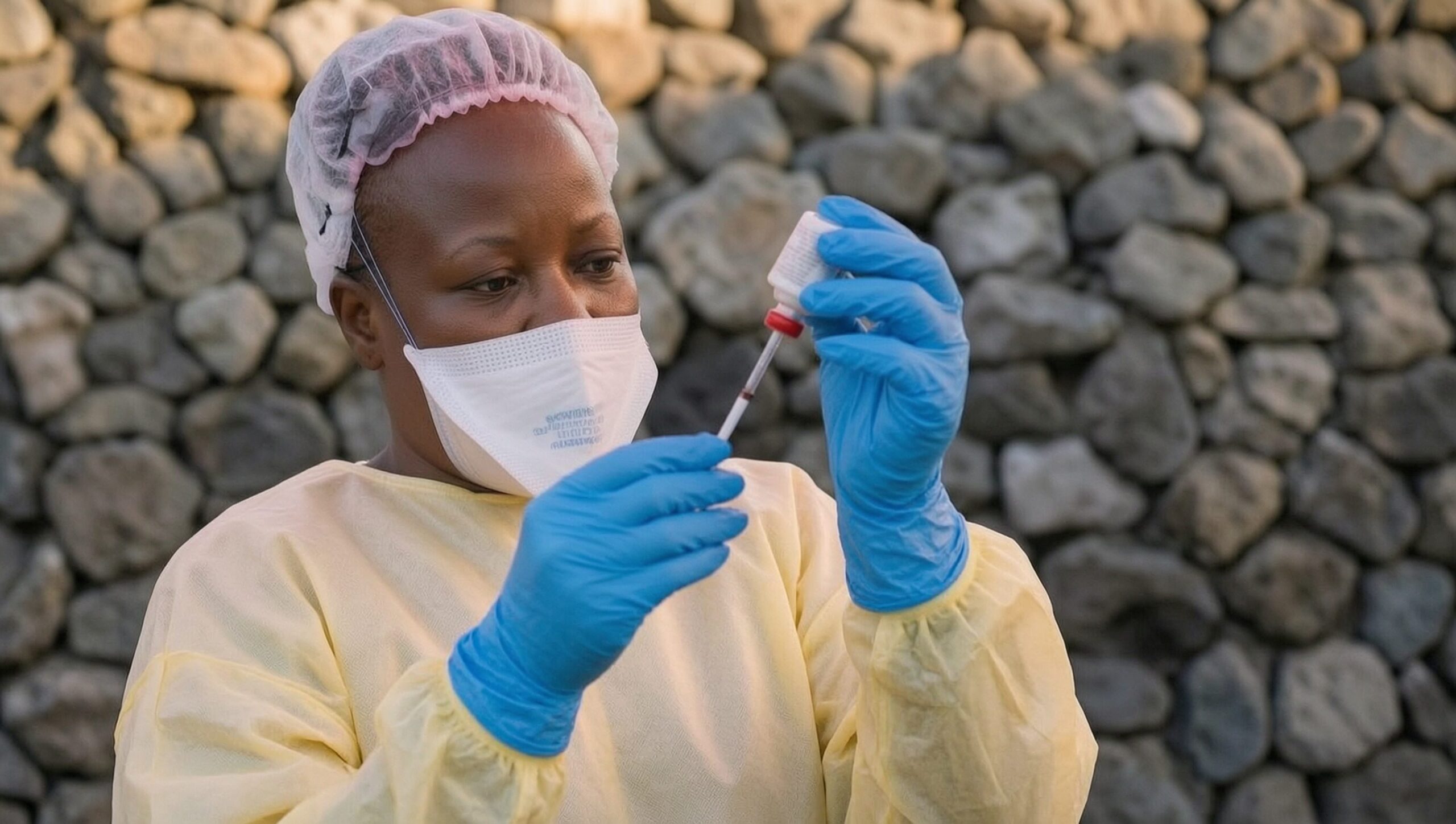
Hopkins said that people who suspect exposure should seek immediate medical attention. Cleveland Clinic experts also stress that Ebola is “very unlikely” to spread through the air.
Early Ebola symptoms can resemble the flu, including fever, fatigue, and muscle pain, before progressing to vomiting, diarrhea, or more severe complications associated with hemorrhagic fever.
Health professionals recommend that travelers monitor for symptoms for 21 days after leaving affected regions. Hopkins noted that vaccines and treatments are available and can help control transmission among high-risk populations.
Preventive measures, he said, remain straightforward: avoid contact with blood, bodily fluids, and infected individuals or animals. According to Hopkins, these steps are “highly effective in the prevention of Ebola transmission.”
While the outbreak in Central Africa continues to evolve, no Ebola cases have been detected in the United States to date. Health officials stress ongoing vigilance as global monitoring efforts expand.
Join the Discussion
COMMENTS POLICY: We have no tolerance for messages of violence, racism, vulgarity, obscenity or other such discourteous behavior. Thank you for contributing to a respectful and useful online dialogue.