WHAT YOU NEED TO KNOW
- Ralph was diagnosed with epidermolysis bullosa after developing red patches and widespread blistering shortly after birth.
- Genetic testing showed his parents carry a COL17A1 gene mutation that causes intermediate junctional epidermolysis bullosa.
- Ralph requires pain medication, reflux treatment, regular dressing changes, careful cleaning, and twice daily checks for blisters.
- Ciara is raising awareness and seeking greater government funding for rare skin conditions while hoping for a cure or effective treatment.
For Ciara Burnside, the arrival of her baby boy brought joy and an almost immediate sense that something was wrong. The 30 year old mother gave birth to Ralph on 25 March, but his devastating skin condition now means she cannot hold him.
When Ciara first looked at her son, she felt that “something wasn’t quite right”. She noticed “big red patches” across his hands and feet, and Ralph was quickly taken into intensive care.
Within hours, his condition had progressed to “blistering all over his body”. The following day, doctors diagnosed Ralph with epidermolysis bullosa, known as EB, before a specialist from Great Ormond Street Hospital said genetic testing was needed to identify the subtype.
EB is commonly called butterfly skin condition because it leaves the skin as fragile as a butterfly’s wings. For Ralph, even everyday contact and movement can create an agonizing risk of damage.
The uncertainty following the diagnosis left Ciara and her fiancé, Lewis, terrified. Doctors warned them that one specific form of the condition could mean their son might not survive.
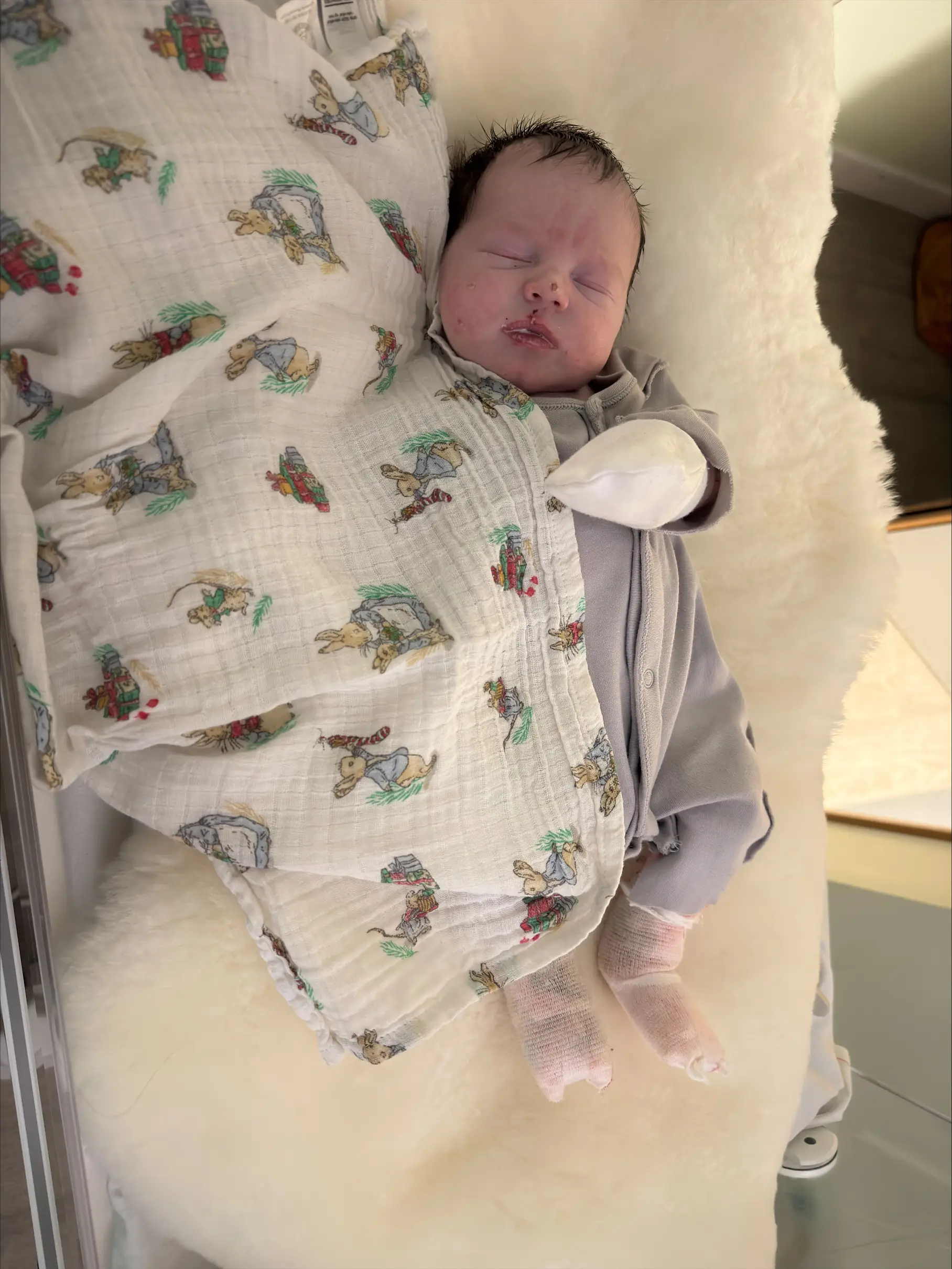
“They said to us there is a specific type where he may not survive,” Ciara told PA Real Life. “After that, my partner and I just shut down… we were crying and were very, very upset.”
On 21 May, genetic testing confirmed that Ciara and Lewis are silent carriers of a mutation of the COL17A1 gene. That mutation causes intermediate junctional epidermolysis bullosa, also known as JEB.
Ralph’s condition presents as extreme skin fragility across his entire body. It could also progress to alopecia, malformed fingernails and toenails, and irregular tooth enamel.
“Doctors have told me that there is a chance (Ralph) will need a wheelchair because his feet will always be very fragile because they were so badly damaged from birth,” Ciara explained. His prognosis is not the most severe, and doctors have said he will likely reach adulthood.
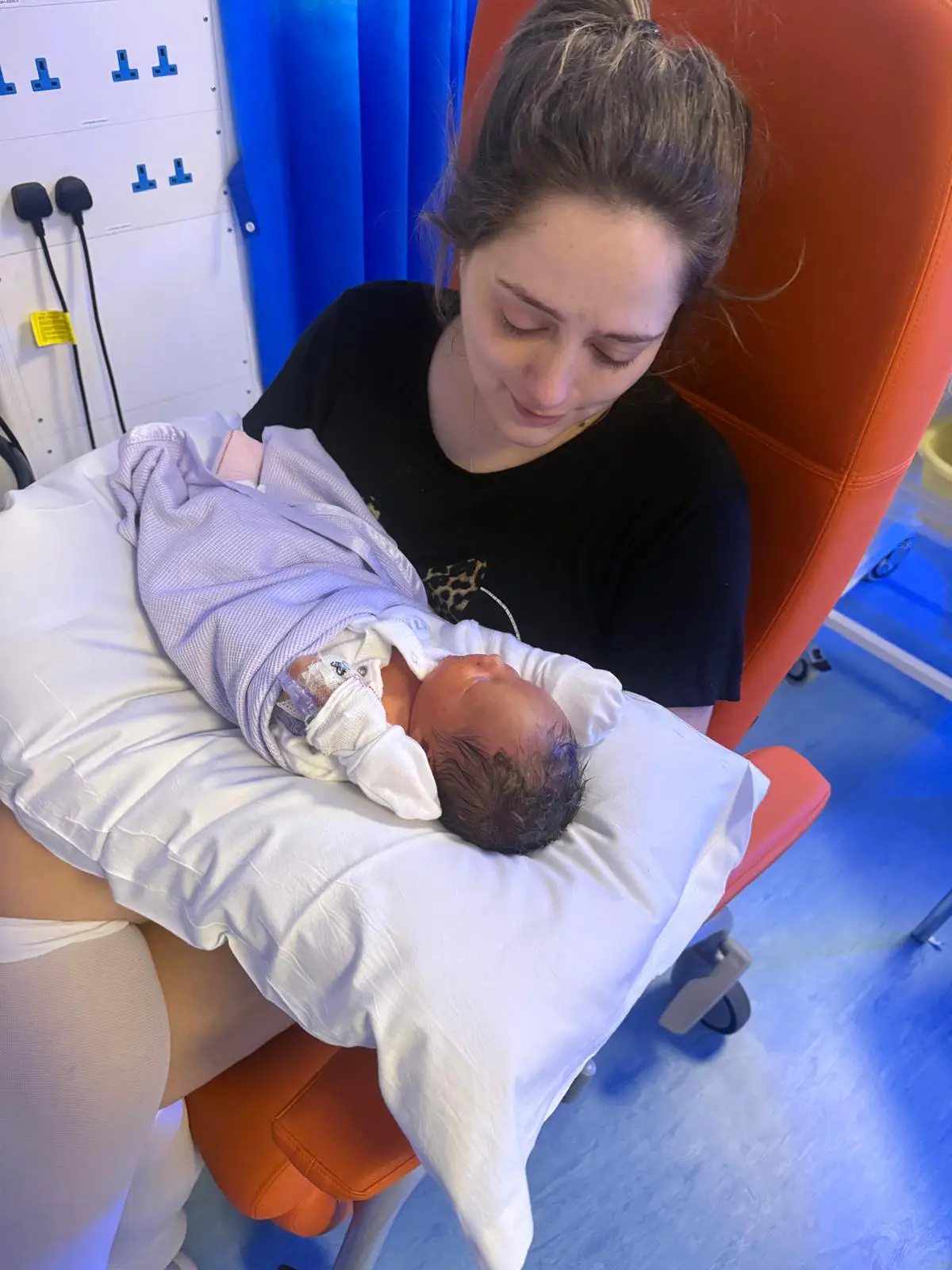
However, the family has also been warned that Ralph could lose his hair and fingernails. Beyond that, doctors have told Ciara and Lewis to remain proactive about preventing complications as early as possible.
“They can’t tell me much else, other than we have to be proactive in stopping complications early. We just have to take each day as it comes,” Ciara said.
Ralph requires acid reflux medication to help prevent internal blistering in his oesophagus. His parents must also give him a daily dose of morphine, paracetamol every four to six hours, and regular dressing changes.
Even changing Ralph’s nappy is a “two-person job” because he can kick around, but his parents cannot hold him down without risking damage to his skin. They are also “too scared” to bathe him, so they carefully clean his wounds and body using a flannel or gauze.
Ciara and Lewis change Ralph’s clothes twice each day and check his entire body because blisters can appear at any moment. “If a blister comes up, it will just keep spreading and getting bigger, unless you pierce it and drain the fluid,” Ciara explained.
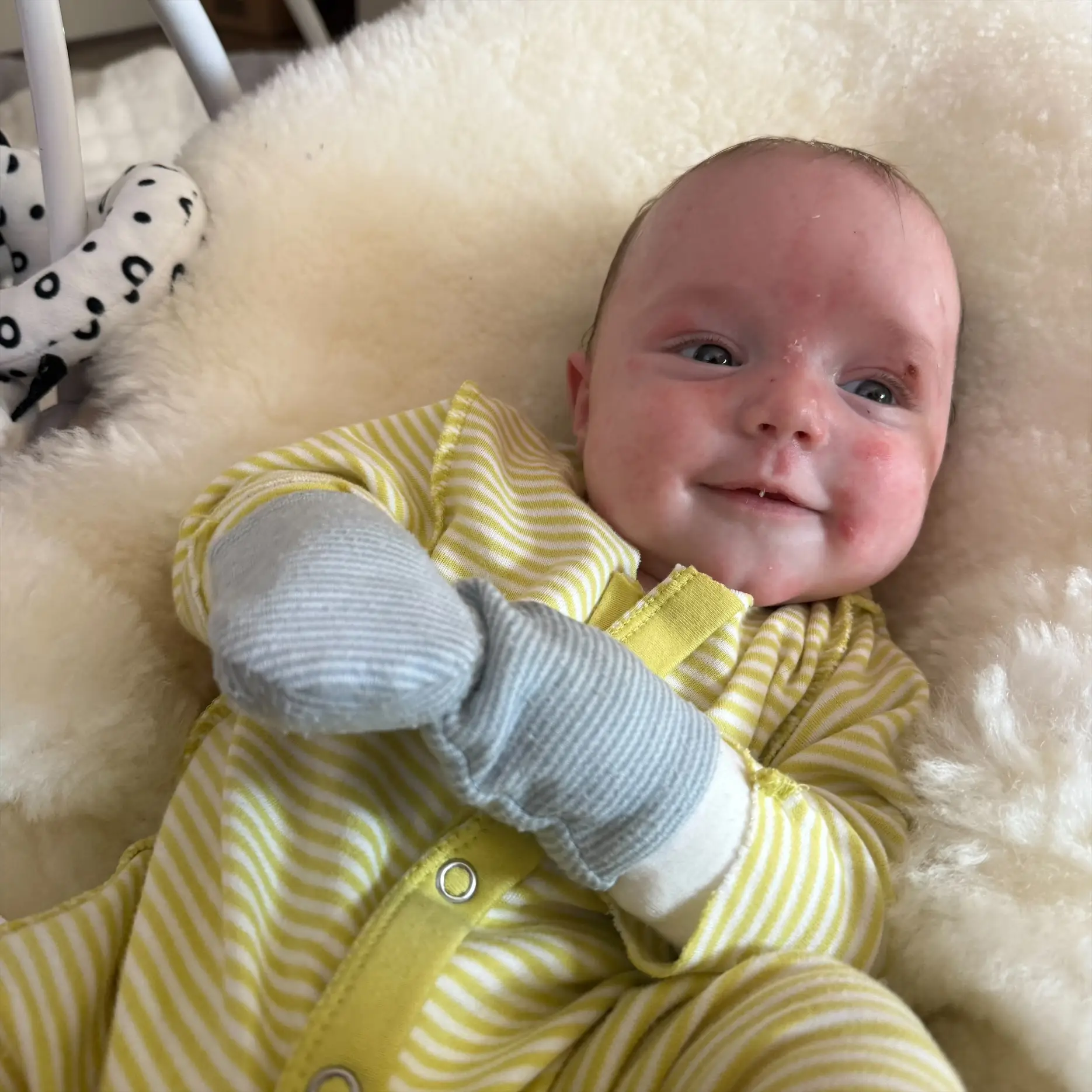
The emotional strain has left Ciara struggling and in a “very bad space” mentally. The family has received support from Great Ormond Street Hospital and DEBRA UK, a charity supporting people affected by butterfly skin.
Ciara hopes that a cure will eventually be found, or that an effective treatment could at least help manage Ralph’s condition. She is sharing his story on social media and has started a petition calling for increased government funding for rare skin conditions.
“As a parent, I think we’re biologically wired to try and take pain away from our children and to protect them,” Ciara said. “And I guess that’s what I feel like I’m doing by sharing his story.”
Join the Discussion
COMMENTS POLICY: We have no tolerance for messages of violence, racism, vulgarity, obscenity or other such discourteous behavior. Thank you for contributing to a respectful and useful online dialogue.