WHAT YOU NEED TO KNOW
- Amy Roberts was born with one functional heart chamber and received a 20% chance of survival.
- She underwent three operations on her open heart before turning seven.
- Strength training improved her fitness, and doctors now believe her transplant could be delayed by around 15 years.
- Amy hopes to enter cardiac care and promote rehabilitation tailored to each person’s condition.
Amy Roberts was born with only half a functioning heart, yet at 25 she has survived far beyond the bleak outlook her parents initially received.
Doctors had warned that she might not live past her twenties.
The personal trainer from Greater Manchester has double inlet left ventricle, known as DILV, with transposition of the great arteries, known as TGA.
She has one functional pumping chamber, the left ventricle, and the major blood vessels leaving her heart are switched.
According to the NHS, the rare congenital condition is usually fatal during the first weeks of life.
Doctors discovered it during her mother's scan at 20 weeks and told her parents that Amy had only a 20% chance of survival.
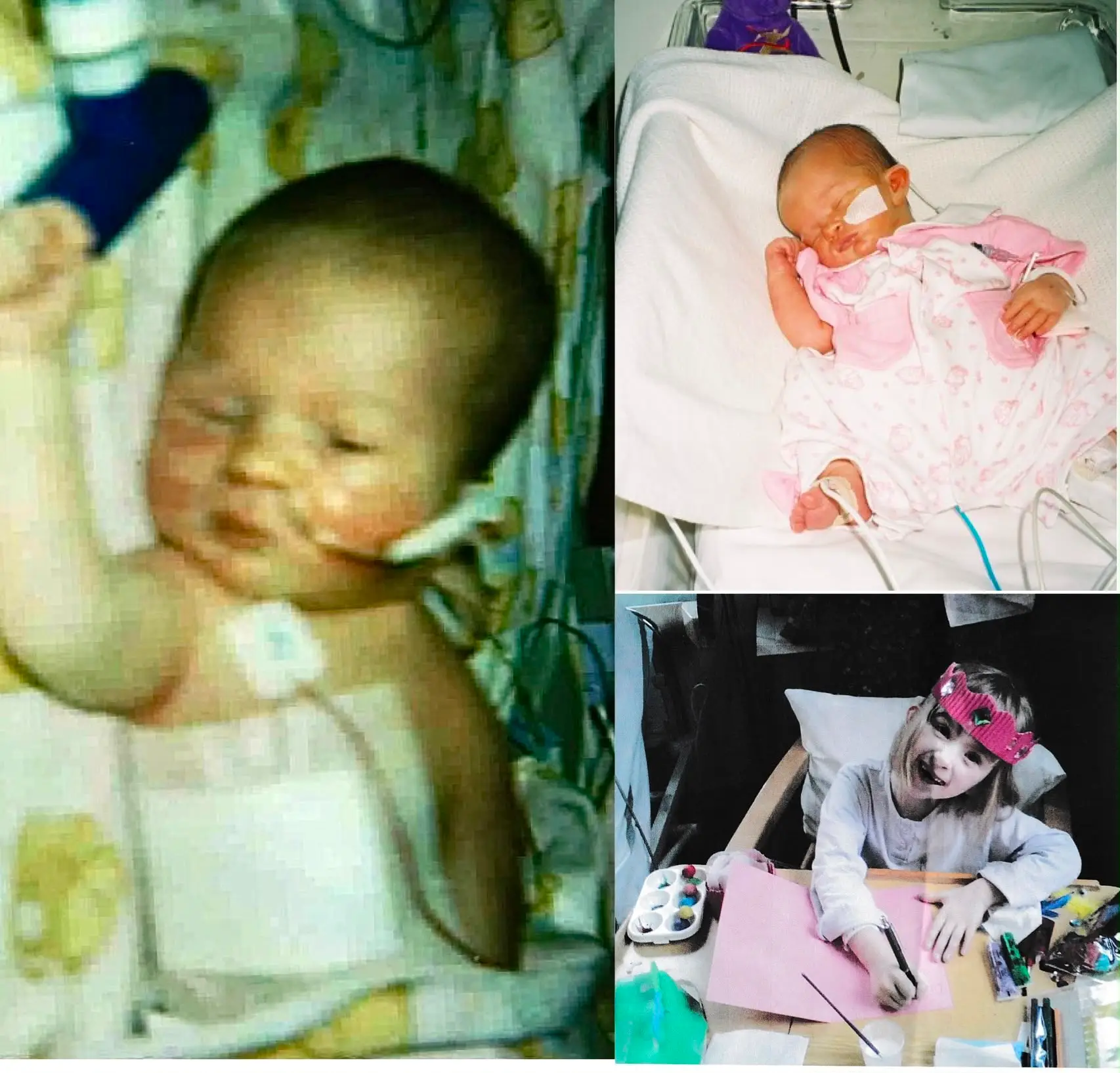
Her parents were advised to terminate the pregnancy but decided to give their daughter a chance.
Amy said, “My mum and dad were like, 'Yeah, it's fine. Let's give her the chance', obviously big props to them that they did that.”
Her treatment began immediately after birth. “When I was born, my mum was given like a few seconds of skin contact and then it was straight in a ventilator because if they hadn't done that I just wouldn't have survived,” Amy explained.
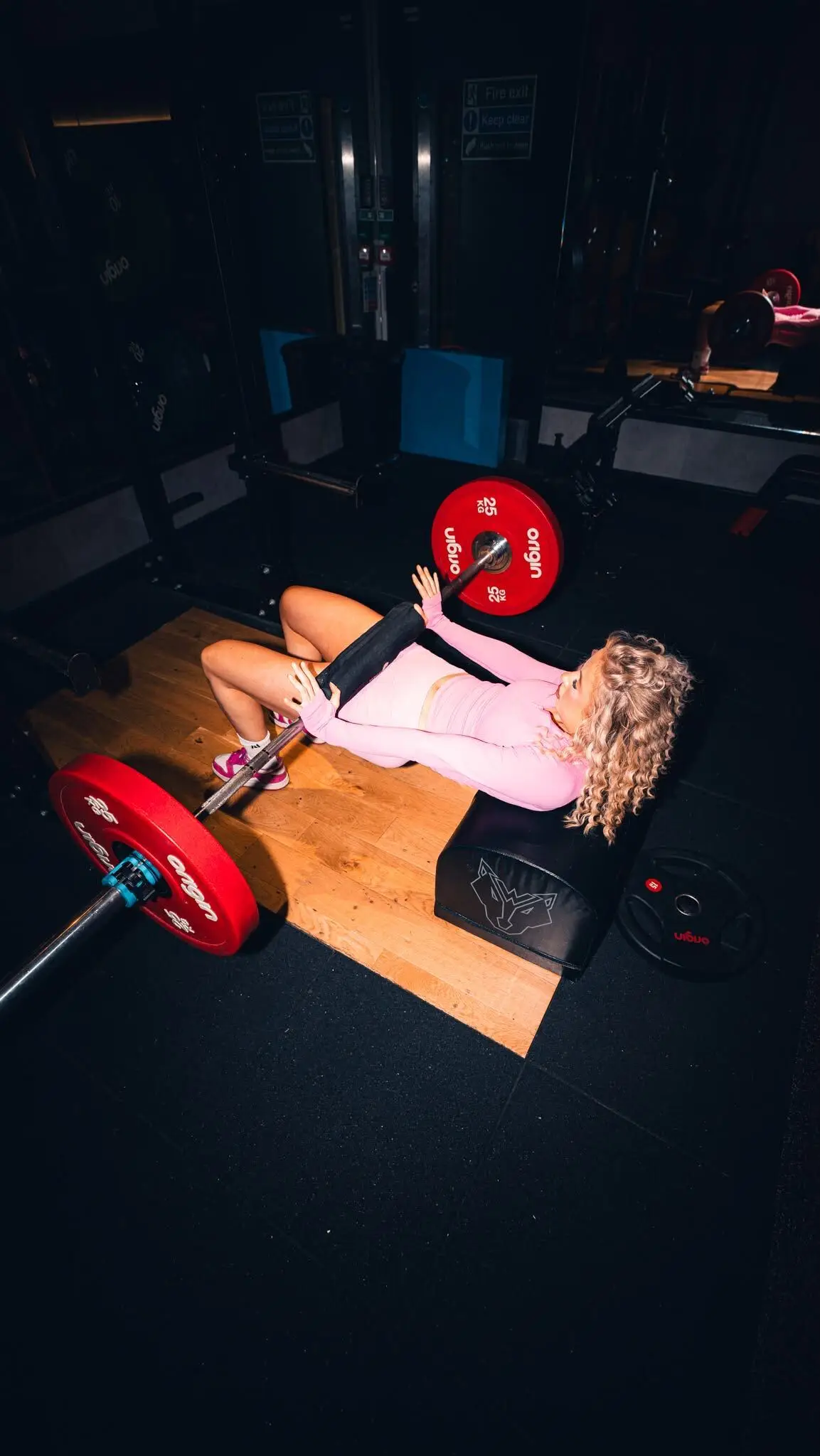
She underwent three operations on her open heart before turning seven. The first took place when she was five days old, followed by another at two years old and a third at seven.
Hospital appointments, operations and recovery shaped much of her childhood. Amy said she does not know anyone older with her condition who has not received a heart transplant or died.
Before becoming a personal trainer in Worsley, she would become breathless simply walking upstairs. At 18, she went against her cardiologist's advice and began exercising lightly in a spare room with resistance bands and two kilogram dumbbells.
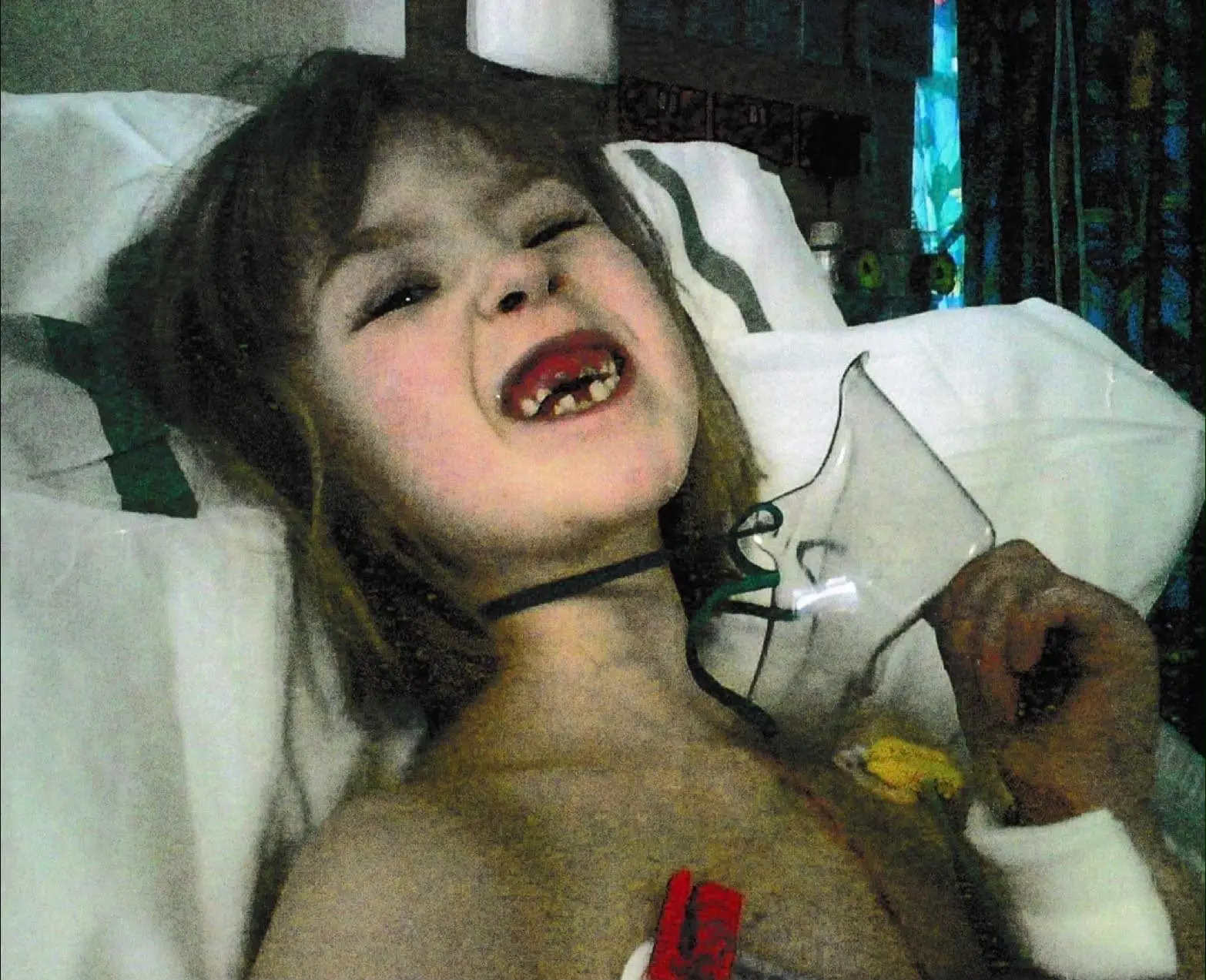
The earliest sessions were demanding, with a set of 12 squats leaving her needing to sit down for about five minutes. She nevertheless remained consistent and found that her ability gradually improved.
When Amy was 21, her cardiologist told her that her heart was doing the opposite of what would normally be expected. Its performance at 21 was better than it had been when she was 18, a change Amy connected to her gym training.
Doctors originally believed she would require a heart transplant during her late teens or early twenties.
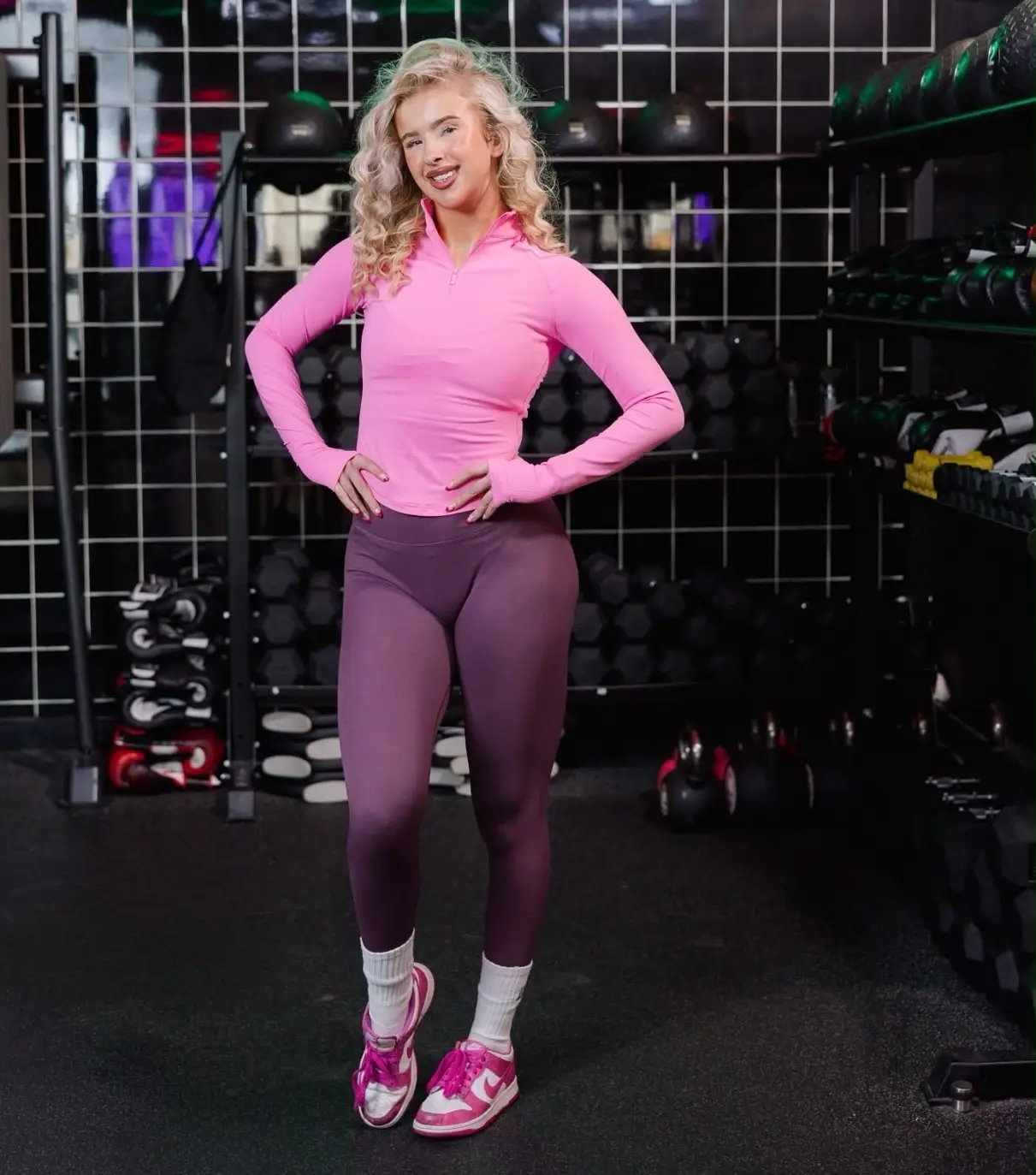
After several years of strength training, they now believe she may not need one until her late thirties or early forties, delaying the procedure by around 15 years.
MORE NEWS: YouTube Stars ‘Squirmy and Grubs’ Shatter Harmful Myths About Disability and Intimacy [WATCH]
Amy has worked as a personal trainer for three years and understands the boundaries imposed by her condition.
She completes strength and resistance training four times each week, including one Pilates style fitness class.
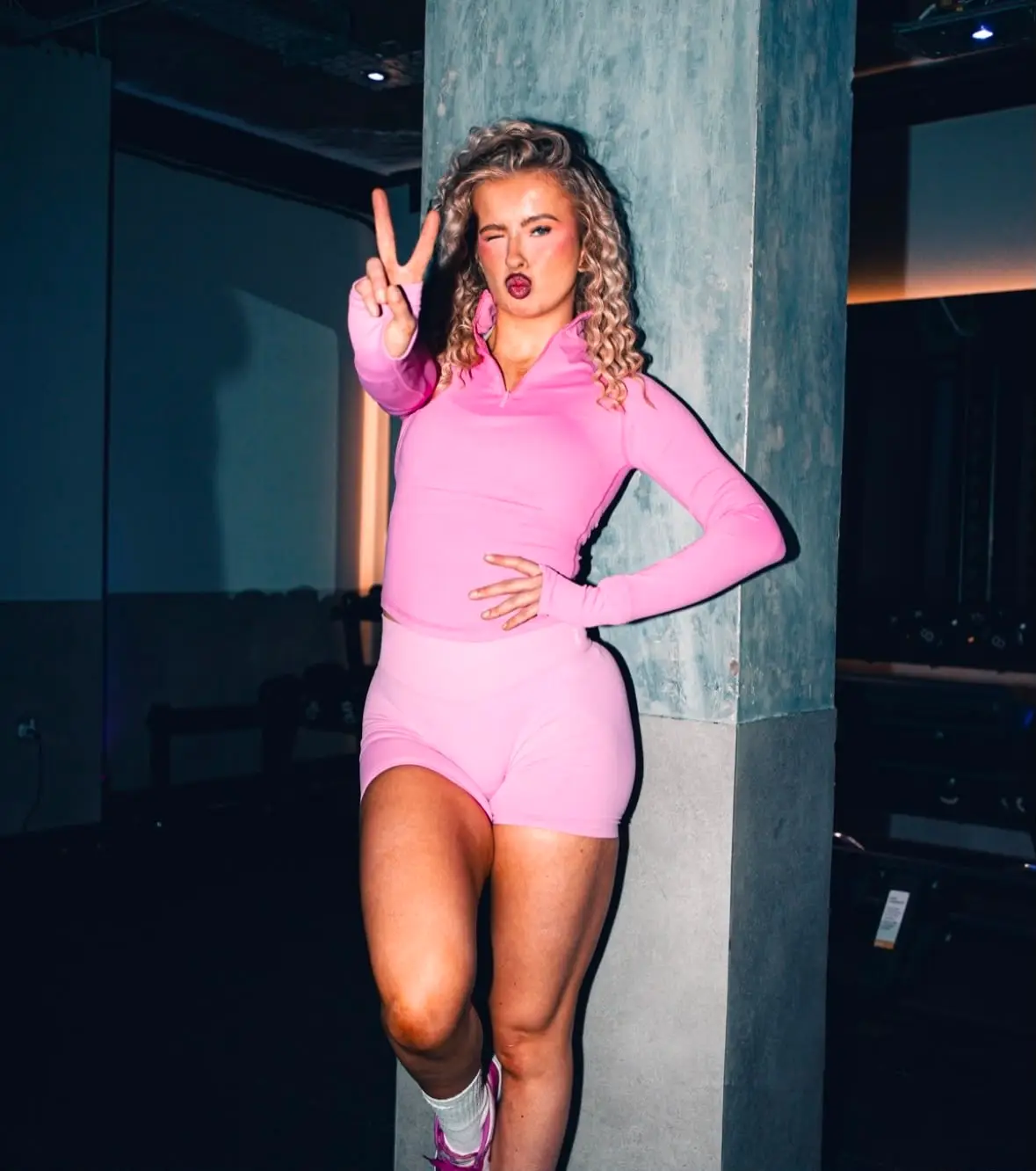
She can safely perform slow, steady cardio on equipment such as the StairMaster or incline treadmill, but avoids running because it makes her heart rate spike. If it reaches about 160 or 165, she stops and sits down because pushing higher could lead to cardiac arrest.
Amy believes an unsustainable mindset prevents many people from reaching their gym goals.
She encourages regular movement and balanced eating rather than training like a bodybuilder, saying that two or three gym visits each week can improve physical and medical health.
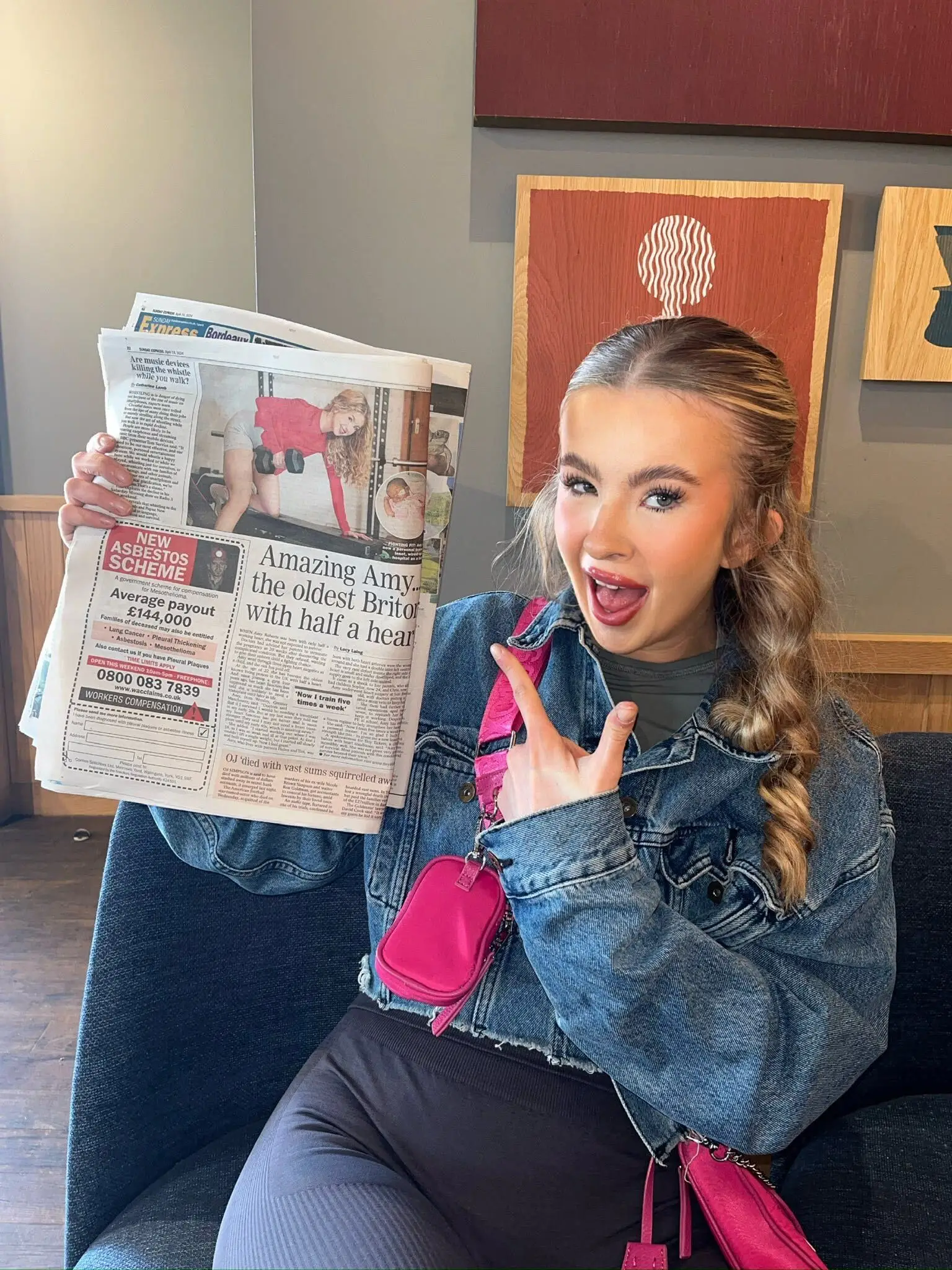
Her future goal is to enter cardiac care and work with people who have heart conditions.
She believes rehabilitation programs should depend on the individual and hopes more evidence can help people manage their health in the gym while reducing pressure on the NHS.
Amy remains focused on postponing the transplant for as long as possible, with its eventual success and future medical advances shaping her lifespan. “If I can continue pushing my heart transplant back as well, we don't know where medical science could be in 15 years.”
Join the Discussion
COMMENTS POLICY: We have no tolerance for messages of violence, racism, vulgarity, obscenity or other such discourteous behavior. Thank you for contributing to a respectful and useful online dialogue.