WHAT YOU NEED TO KNOW
- Tianna Moon’s breasts continued growing despite losing 5kg while using Mounjaro, eventually leaving her with a 34NN chest.
- Moon was diagnosed with gigantomastia, a rare condition involving excessive breast tissue growth.
- Only around 300 cases have been reported worldwide, according to Cleveland Clinic.
- Breast reduction surgery may help, but the breast tissue can return to its previous size.
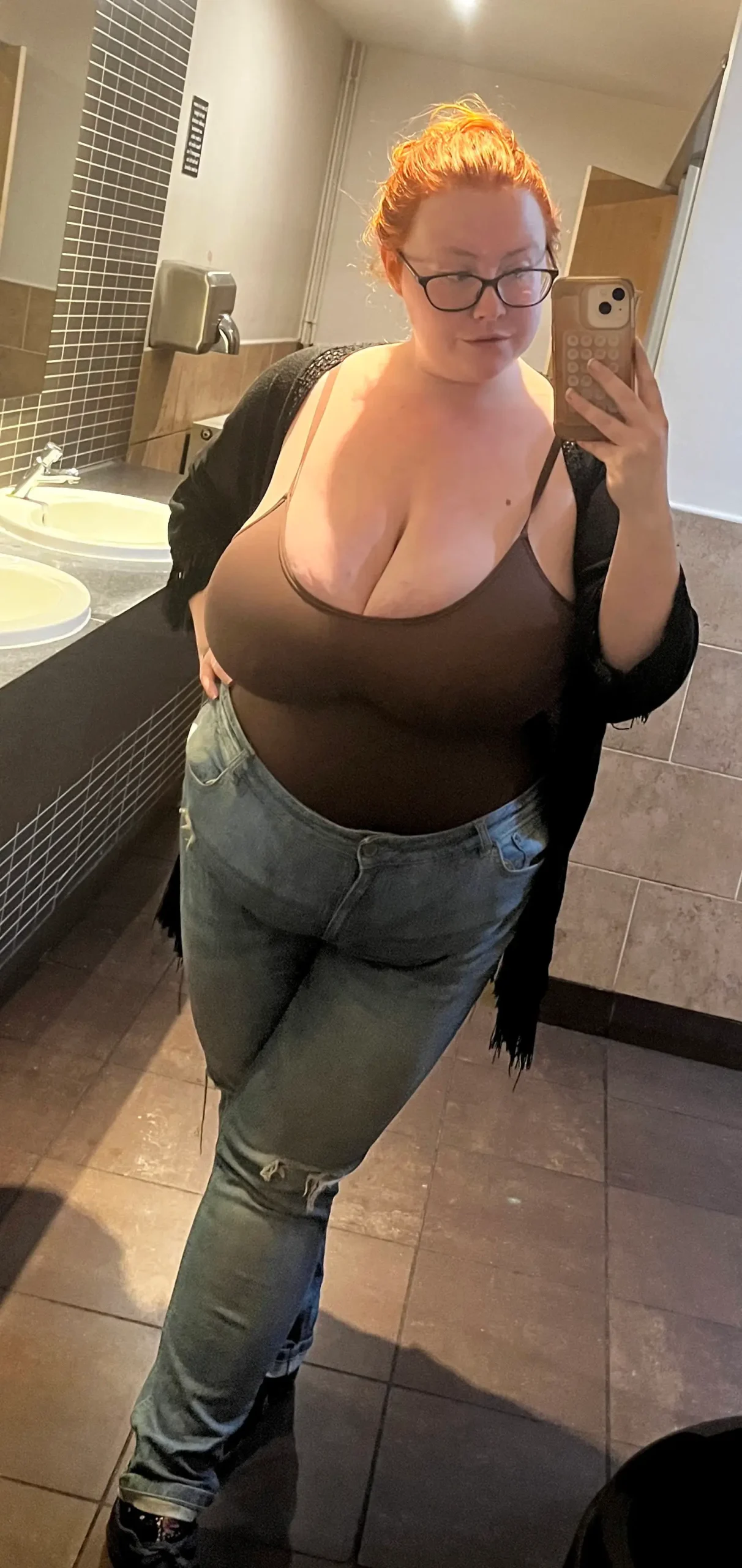
Tianna Moon expected her breasts to become smaller as she lost weight. Instead, the 30 year old UK woman watched them continue growing, eventually leaving her with a 34NN chest and a rare diagnosis that helped explain the alarming change.
Moon had been unable to work following a head injury. In 2021, she launched a career on OnlyFans, where she earns around £10k per month through the online sex site.
She later sought Mounjaro jabs in hopes of reaching a weight that would allow her to undergo breast reduction surgery. The sheer size and weight of her chest had already begun causing serious health problems.
Her reported symptoms included numb arms, ripped skin and reduced air flow whenever she lay on her back. Despite losing 5kg while using the weight loss drug, Moon found that her breasts were moving in the opposite direction.
Her cup size increased from an L cup to an M cup, while her chest was ultimately described as 34NN. Confused by what she considered an unusual situation, she sought medical advice and received an explanation for the continued growth.
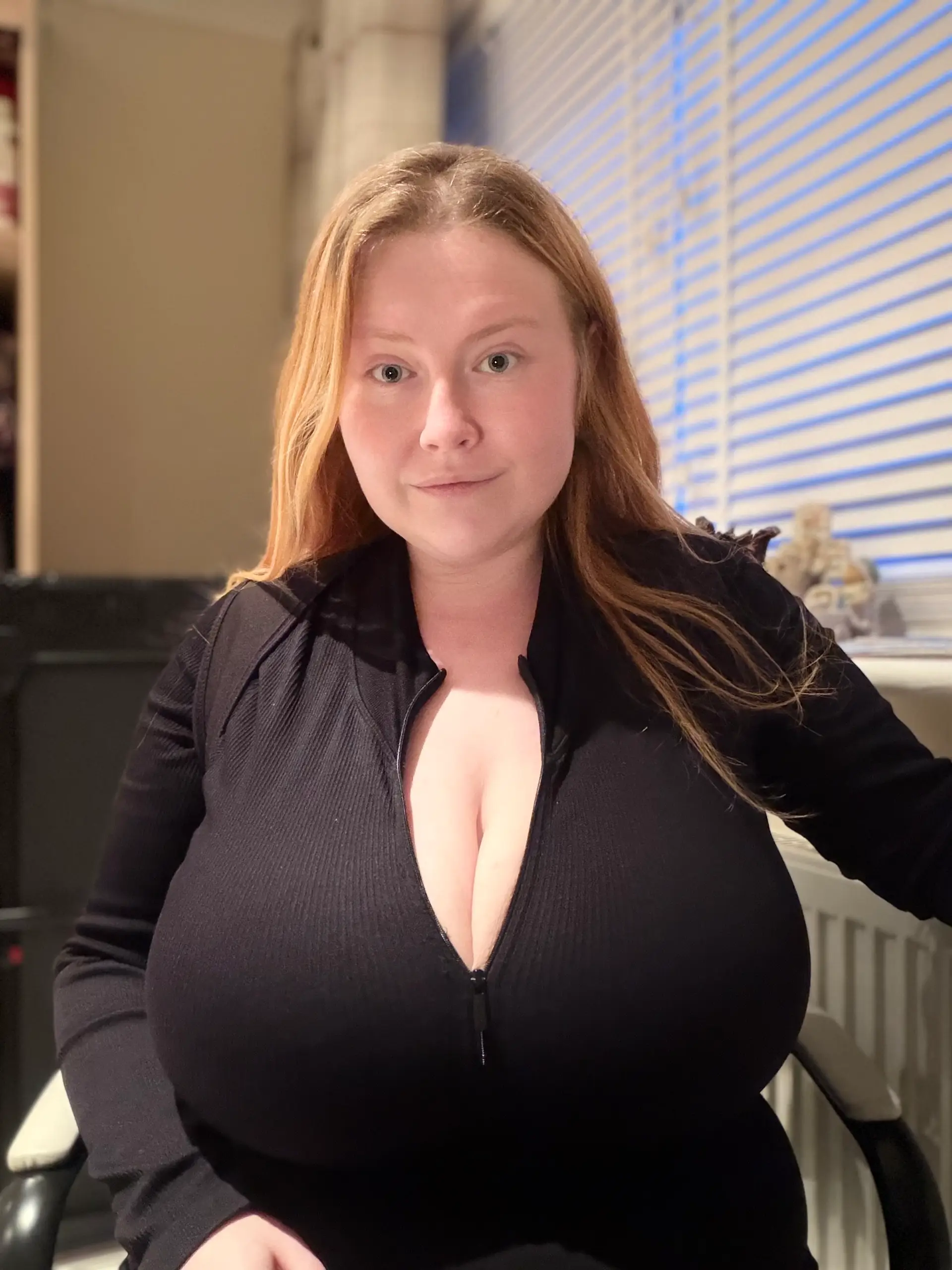
Moon said: "When I broke down medical history, the weight loss on Mounjaro and the increased growth and side effects, he was point blank like ‘this is gigantomastia’."
She added: "I got the diagnosis quite early because of the growth not being common with anything else. At that point, I decided to get rid of the extra weight and protect my back because of the diagnosis."
Moon underwent a private gastric sleeve procedure in November 2025. She said the procedure was intended to help protect her back and prevent future pain as she continued dealing with the effects of her chest.
She has also considered breast reduction surgery, although she was warned that her breasts could grow back to their current size. That possibility reflects one of the challenges surrounding treatment for gigantomastia.
Gigantomastia is also known as breast hypertrophy or macromastia. The rare condition involves extremely large breasts developing because of excessive growth in breast tissue, sometimes rapidly and disproportionately.
The growth may occur during puberty or later in life. The condition is characterized as rare when the breasts contain at least five pounds of excess breast tissue or account for more than 3% of a person's total body weight.
MORE NEWS: Hidden Pelvic Floor Problems Could Be Wrecking Your Sex Life and Kegels May Make Them Worse
According to Cleveland Clinic, only around 300 cases have been reported worldwide. Although extremely rare, the condition can produce both physical and emotional pain for those affected.
Neck, back and breast pain are among the potential symptoms. Bras may also create itchy indentations in the skin, while some cases involve infections, poor posture or a loss of feeling in the nipples.
Gigantomastia can also complicate breastfeeding. Problems associated with the condition may include blisters and a low milk supply, adding another layer of difficulty for those experiencing excessive breast tissue growth.
Doctors have identified four types of the condition. These include juvenile gigantomastia during puberty, gestational gigantomastia during pregnancy, gigantomastia caused by drugs and idiopathic gigantomastia, where the cause remains unknown.
Hormonal changes have been identified as possible contributing factors. Autoimmune diseases such as lupus or arthritis, as well as obesity and genetics, have also been linked to the condition as potential contributors.
There is no immediate solution for gigantomastia. Breast reduction surgery may be offered to people with excessively large breasts, but the procedure does not guarantee that the removed breast tissue will not grow back.
In severe or recurring cases, a mastectomy may be offered to remove all breast tissue. Some medications can stop or slow breast tissue growth, although that may provide limited comfort once the breasts have already reached a painful size.
Join the Discussion
COMMENTS POLICY: We have no tolerance for messages of violence, racism, vulgarity, obscenity or other such discourteous behavior. Thank you for contributing to a respectful and useful online dialogue.