WHAT YOU NEED TO KNOW
- Big breasts have been linked to back pain, headaches, poor posture, sleep problems, restricted movement and mental health difficulties.
- Worldwide, 652,676 breast reduction surgeries were performed in 2024, with Brazil recording the highest number.
- Researchers identified pain, tissue damage, breathing changes and barriers to physical activity as consequences of poorly fitting bras.
- Raquel said breast reduction surgery gave her freedom after years of pain, restricted exercise and social judgment.
Big breasts may be celebrated as attractive in many parts of the world, but the physical reality can be painful and restrictive.
omen may experience constant back pain, headaches, poor posture, numbness, sleep problems and declining mental health.
Raquel, a university professor from Argentina, spent years bending her shoulders while walking because she did not want people to notice her chest. She said the attention and shame affected her as a teenager and continued into adulthood and motherhood.
Her discomfort eventually led her to breast reduction surgery in 2010. Now 52, Raquel describes the result as giving her a sense of freedom that she had never experienced before.
Demand for the procedure is substantial. The latest data from the International Society of Aesthetic Plastic Surgery show that 652,676 breast reduction surgeries were performed worldwide in 2024.
Brazil recorded the highest number at 115,647, followed by the US with 67,478. France recorded 38,780 procedures, Germany had 32,068, Turkey had 25,334 and India had 22,400.
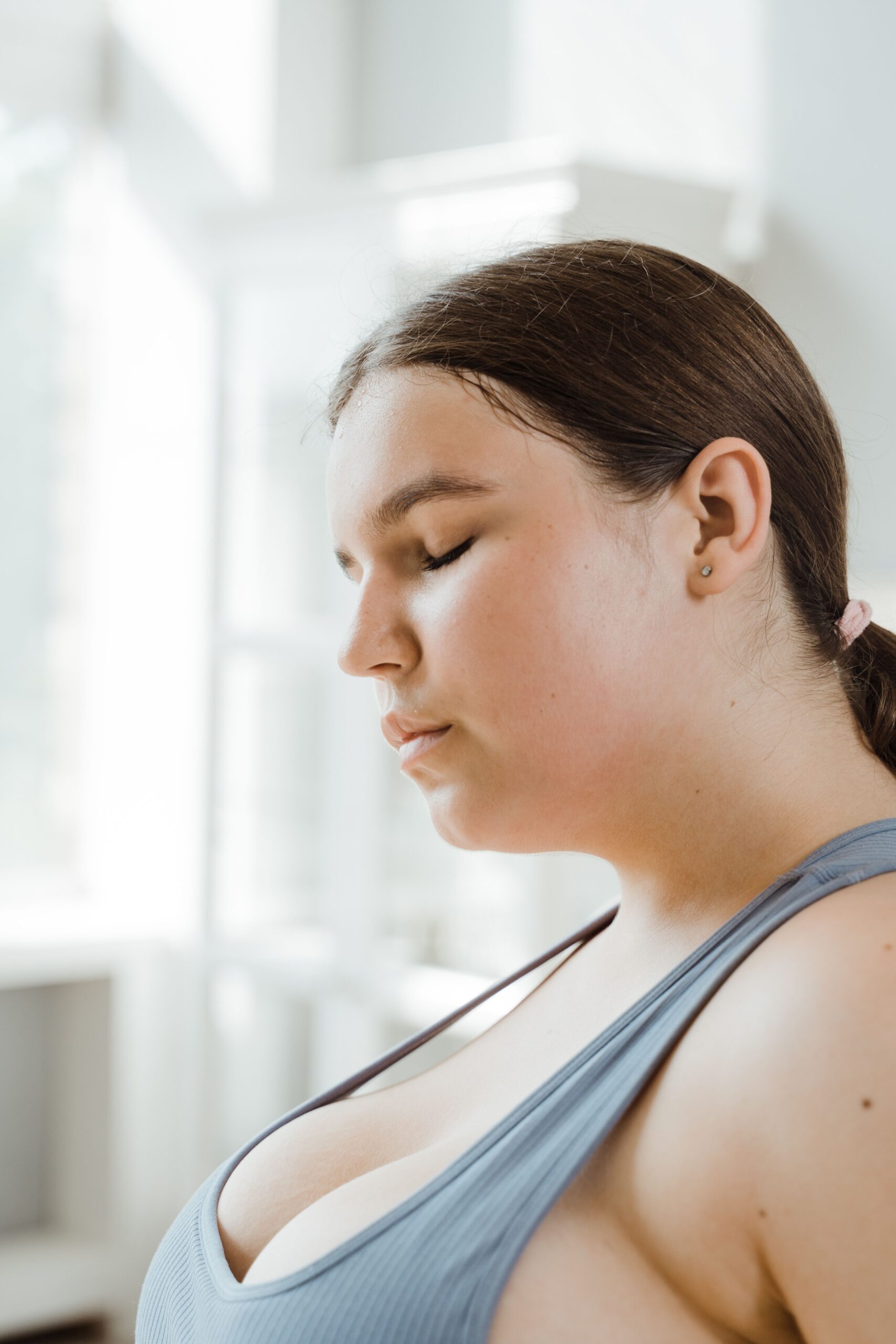
Raquel said she had experienced persistent back pain since she was a teenager, even though people around her often described her chest as a blessing. “I no lucky at all. I suffer well-well. I suffer as teenager, and even as woman and as mother.”
She believes some of her continuing back pain comes from the posture she adopted while trying to hide her body. Although she enjoyed yoga, Pilates and going to the gym, the weight of her breasts eventually stopped her from exercising.
Dr Nora Nugent, President of the British Association of Aesthetic Plastic Surgeons, said restricted movement and difficulty exercising are common complaints among patients seeking breast reduction surgery. Heavy breasts pull the body forward and place continuing pressure on the back and neck.
Exercise can consequently become uncomfortable, while finding a properly fitting and supportive bra can be difficult.
Raquel said she needed to wear “two or three” bras for support, with the price of suitable bras creating additional financial pressure in Argentina.
In the UK, Nugent said most of her patients have between 500g and 800g removed from each breast, although she has encountered cases involving more. The amount may not be large compared with total body weight, she explained, but it is concentrated in one small part of the body.
Doctors removed a combined 2.5 kilos from Raquel’s breasts. After surgery, she remembered bending to pick something up from the floor and feeling as if she had a different body, saying, “I feel so, so free.”

Prof Joanna Wakefield-Scurr began investigating bra design after seeking medical help for chronic breast pain and being advised to use a well fitting bra. As a biomechanics expert, she found there was little understanding of why bras are needed, what benefits they provide and how they should work.
That experience prompted her to establish a breast health research group at the University of Portsmouth in the UK in 2005. Her team identified four main consequences of a poorly fitting bra: pain, skin stretching and tissue damage, changes in breathing and the time between heartbeats, and barriers to physical activity.
The researchers found that heavier breasts bouncing during activity can change breathing patterns, alter the force used to press against the ground and affect the function of the whole body. Their experiments also showed that breasts move in a figure eight pattern during different forms of exercise.
Crucially, the team discovered that reducing breast pain depends on slowing the movement rather than simply limiting how far the breasts move. The group has worked with elite athletes, including the Lionesses, England women football team, and leading golfers to develop suitable bras.

Wakefield-Scurr said organisations including the FA and World Rugby have only begun investing in health programmes for female athletes during roughly the past five years. She welcomed the change while noting that this area of work remains new.
Raquel said people judged her decision and often assumed she wanted surgery for cosmetic rather than health reasons. Despite those reactions, she has no regrets and cannot imagine managing her former body after reaching menopause.
Nugent said growing interest in breast reduction surgery may reflect stronger interest in self care.
In her view, patients are not necessarily pursuing perfection, but seeking better health, wellness and the ability to live comfortably.
Join the Discussion
COMMENTS POLICY: We have no tolerance for messages of violence, racism, vulgarity, obscenity or other such discourteous behavior. Thank you for contributing to a respectful and useful online dialogue.