WHAT YOU NEED TO KNOW
- Scientists are investigating whether biological aging can be measured and targeted before it contributes to chronic disease.
- Animal experiments suggest medicines, exercise and calorie restriction can slow cellular changes, but comparable human clinical trial evidence remains unavailable.
- The FAST project is studying proteins, metabolites and epigenetic marks to identify biomarkers that respond to interventions.
- Longevity clinics are expanding, while researchers stress that sleep, exercise, community and diet can already support healthier lives.
Scientists studying longevity are moving closer to testing an idea once considered speculative: that aging itself might become a target of medicine. The research asks whether doctors could address biological changes linked to aging before those changes contribute to disease.
The objective is not simply to help people live longer. Researchers also want to extend health span, giving people more years of good health by intervening in biological processes before conditions associated with aging appear.
“Aging has biology. This biology drives diseases,” Nir Barzilai, director of the institute for aging research at Albert Einstein College of Medicine, in New York City, told CNN.
Barzilai argues that medicine could eventually target biological processes that contribute to several conditions at once. That approach would differ from waiting for diabetes, cardiovascular disease or cancer to emerge and then treating each condition separately.
Daniel Belsky, associate professor of epidemiology at the Columbia University Mailman School of Public Health and the Robert N. Butler Columbia Aging Center, cautioned that this hypothesis has not been tested in humans.
“We don’t know yet whether we can really do this. But we do have an alignment of evidence to argue this is possible. And we now have a mobilization of resources to actually test it,” Belsky said.
Laboratory experiments have shown that researchers can manipulate the biology of aging in organisms ranging from roundworms to mice. Belsky said medicines, exercise, calorie restriction and other interventions can slow the accumulation of cellular changes associated with aging and extend the animals’ lives.
Human evidence remains the crucial missing piece. “For humans, we do not yet have clinical trial evidence that intervention on this biology to extend health span is possible,” Belsky said.
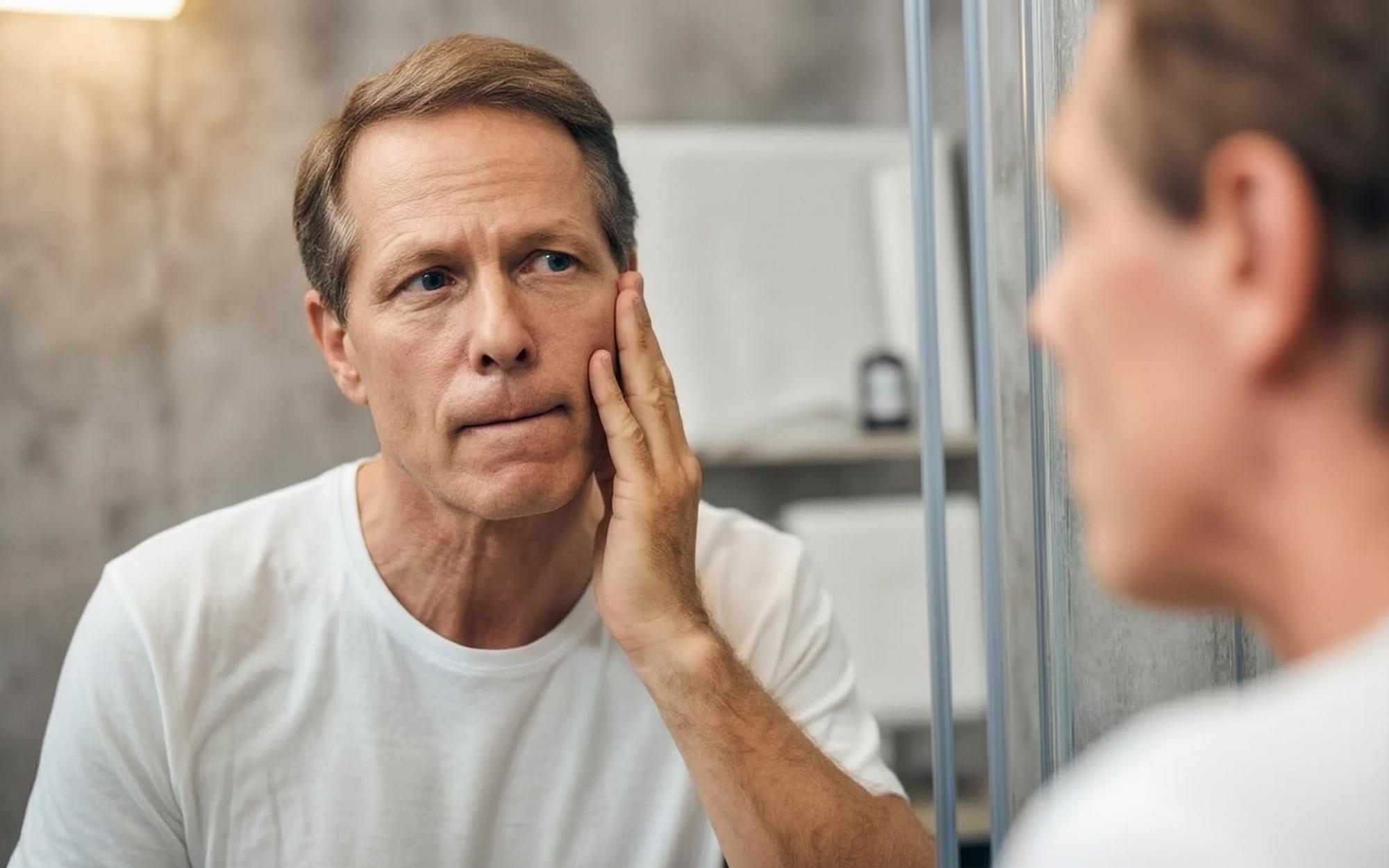
Scientists are therefore looking beyond chronological age, meaning the number of years someone has lived. They are investigating biological measures that could reflect how an individual’s body is aging and reveal how that process is unfolding.
One approach examines epigenetics, which involves changes in how genes are regulated without changing the underlying DNA sequence. By studying chemical tags called methyl groups that bond to DNA, Belsky said researchers “could track the passage of time in a human body.”
Belsky is also leading the Finding Aging Biomarkers by Searching Existing Trials project, known as FAST. The project collects multi-omic data, combining information about proteins, metabolites and epigenetic marks on white blood cells.
Researchers hope to identify biological indicators that respond to different interventions. Those indicators could eventually help scientists measure whether an intervention is affecting the biology of aging, although Belsky said the connection between changing biomarkers and extending healthy life has not been established.
Time presents one of the field’s largest practical obstacles. A clinical trial testing whether an intervention taken at age 40 or 50 prevents chronic disease might have to follow participants for two or three decades.
Scientists are consequently investigating whether aging biomarkers can reliably predict longer term health outcomes. A dependable biomarker could serve as a “surrogate endpoint” in clinical trials, providing a measurable sign that disease prevention or a longer healthy lifespan is likely to follow.
Meanwhile, longevity clinics are beginning to appear. These facilities combine conventional medical assessments with a broader collection of tests intended to create a detailed picture of an individual patient’s health.
Mayo Clinic launched its Healthy Longevity Clinic in the US in 2023. Singapore’s National University Health System has established a similar program combining detailed assessments with personalized lifestyle or medical interventions, though some scientists have called for stronger regulation as such clinics become more common.
Abu Dhabi’s Department of Health introduced a licensing framework for Healthy Longevity Medicine Centers in October 2024. The department described the framework as the first of its kind globally, establishing a clinical category and standards for facilities operating within it.
The department licensed the Institute for Healthier Living Abu Dhabi as the world’s first state designated specialized Healthy Longevity Medicine Center. Allan Boston, the institute’s chief operating officer, said understanding aging at the cellular level could transform medicine.
“All your cells are aging constantly. In the past, we thought that was just an inevitable stage of life. It’s not inevitable. There are things we can now start to do about that. That changes the whole concept of medicine,” Boston said.
Even as researchers pursue new therapies and technologies, Belsky emphasized that established options are already available. He pointed to sleep, exercise, community and diet as areas where people can act without specialized clinics or advanced medical innovations.
“These are things where almost all of us can make progress,” Belsky said. “We can add healthy years to our lifespan even without these new drugs.”
Join the Discussion
COMMENTS POLICY: We have no tolerance for messages of violence, racism, vulgarity, obscenity or other such discourteous behavior. Thank you for contributing to a respectful and useful online dialogue.