WHAT YOU NEED TO KNOW
- Researchers tracked more than 1,000 stool samples from 173 cancer patients who ate over 9,400 hospital prepared meals.
- Each additional 3.5 ounces of sweets during antibiotic treatment was associated with about a 24% decline in gut microbiome diversity.
- Added sugar after antibiotics drove Enterococcus levels up by a factor of 16 by day three and 33 by day six in mice.
- Patients consuming more sugar than average had about a 12% higher risk of dying after their stem cell transplants.
A new study raises a stark warning about pairing sugary foods with antibiotics, especially for hospitalized cancer patients preparing for stem cell transplants. Researchers found that greater sweet intake during treatment was associated with a sharp loss of gut microbiome diversity and the expansion of potentially dangerous bacteria.
Published Wednesday in Nature, the research examined cancer patients who received sustained antibiotics before their transplants. Their treatment created a natural experiment in which researchers could observe how antibiotic exposure and food affected an already disrupted microbiome.
Because the patients ate food prepared by the hospital, researchers knew what they consumed and how much they ate. That degree of tracking is unusual in nutrition research, which often depends on participants remembering meals from hours or days earlier.
The gut microbiome includes trillions of bacteria, viruses and other microbes living in the intestines. These organisms help with digestion, make essential vitamins, contribute to immune function and communicate with the brain in processes involving neurotransmitters such as serotonin.
Diet plays a major role in the number and variety of organisms found in the gut. Varied diets rich in plants and fiber are generally associated with greater diversity than diets containing more highly processed foods.
A dense and diverse microbiome can help prevent harmful organisms, known as pathobionts, from taking over and causing illness. Antibiotics, however, can destabilize that community by eliminating bacteria that normally keep opportunistic organisms under control.
The research was led by scientists at Memorial Sloan Kettering Cancer Center, NYU’s Langone Health and City of Hope Cancer Center. They used the disruption caused by antibiotics and hospital food to examine how particular foods related to changes in the microbiome.
“We sliced and diced the data in different ways,” said study author Dr. Jonathan Peled, a physician scientist at Memorial Sloan Kettering. The team examined broad nutrient categories, including fat, carbohydrates and fiber, along with specific foods such as chicken, apples and chocolate cake.
The data came from more than 1,000 stool samples collected from 173 patients who consumed more than 9,400 hospital prepared meals. Across the study, more intensive antibiotic treatment was associated with a greater loss of microbiome diversity.
Most food categories were not associated with changes in bacterial diversity. Sweets, defined by the researchers as sugars and sweetened foods and beverages, stood apart from the rest.
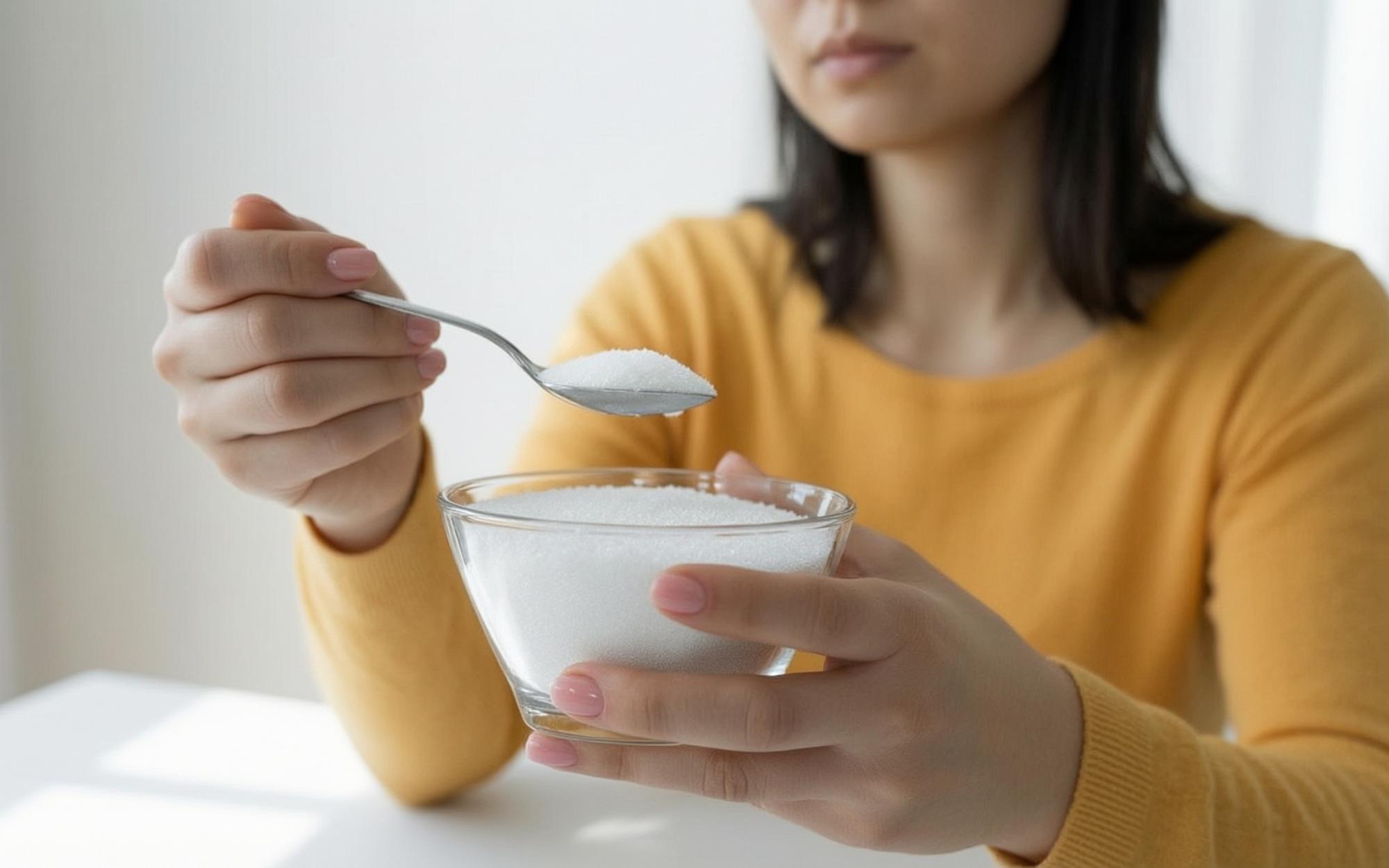
For each additional 3.5 ounces of sweets consumed during antibiotic treatment, microbiome diversity measured in a patient’s stool sample fell by about 24%. Added sugars appeared particularly damaging when combined with antibiotics, according to the findings.
That loss of diversity was tied to growth in populations of Enterococcus faecium. Enterococcus can remain harmless in the gut when competing bacteria keep it under control, but it may flourish after antibiotics wipe out those competitors.
In some cases, Enterococcus can cross the gut wall and enter the bloodstream, where it can cause sepsis. Peled said Enterococcus can also worsen graft versus host disease in bone marrow transplant patients, a condition in which donated stem cells attack a recipient’s healthy tissues.
The researchers tested whether they could reproduce the microbiome changes in mice. A single injection of a broad spectrum antibiotic produced a small increase in Enterococcus, but adding sugar after the injection drove the amount up by a factor of 16 by day three and 33 by day six.
Among the patients, those who consumed more sugar than average had about a 12% higher risk of dying after their transplants than those who consumed less. “It’s a modest change in their risk profile,” Peled said, while the Enterococcus expansion lasted about eight days after antibiotic treatment.
Dr. Anthony Maresso, a professor of virology and microbiology at Baylor College of Medicine who was not involved in the research, called it “a pretty neat study.” He said the findings raised questions about hospital diets and whether similar risks might affect people taking antibiotics outside hospitals.
Peled cautioned that the study was not a randomized, controlled clinical trial testing different diets during antibiotic treatment. Still, he said limiting sugar while taking antibiotics was not unreasonable: “What our study suggests might work is not to avoid sugar or sugary foods during your entire time, but specifically when you’re on antibiotics.”
Join the Discussion
COMMENTS POLICY: We have no tolerance for messages of violence, racism, vulgarity, obscenity or other such discourteous behavior. Thank you for contributing to a respectful and useful online dialogue.