WHAT YOU NEED TO KNOW
- Heather Corrine Land has remained sober for more than 21 months after seven years of daily alcohol abuse.
- She shared images showing that her face became less swollen, less red and more toned after months without alcohol.
- Land said her children and memories of missed family moments now motivate her to protect her sobriety.
- Primrose Lodge says excessive drinking can cause facial puffiness, redness, broken blood vessels and other visible changes.
After seven years of alcohol abuse, Heather Corrine Land has shared the dramatic changes she has experienced since becoming sober. The 33 year old Arizona woman has now remained completely sober for more than 21 months.
Land described herself as an “everyday drinker” who consumed alcohol daily. She said she once cried at the thought that she might never be able to drink again.
Her reliance on alcohol developed as she dealt with chronic illness and autoimmune deficiencies. Land said she used drinking to “numb” her pain and “cope with life,” but alcohol instead brought anger to the surface and led to confrontations.
At her lowest point, Land said she was depressed and sometimes doubted that she would live to celebrate her 33rd birthday. Her decision to pursue sobriety ultimately transformed her life in several ways.
MORE NEWS: Why Lilly and Novo Are Betting Big on Amylin to Supercharge the Obesity Drug Race After GLP-1s
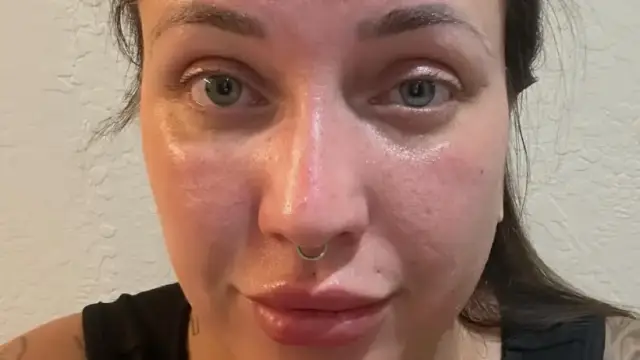
In an Instagram post shared in April, Land focused on the striking difference in her appearance. She posted selfies from the period when she was drinking heavily and described her face as “swollen, red and dehydrated” with “deep wrinkles.”
“Alcohol is a histamine,” she wrote. “It will inflame you and slowly ruin you from the inside out.”
Land said her efforts to offset the effects of drinking through other lifestyle choices did not work. “No amount of healthy eating or 'anti-inflammatory' products will combat alcohol abuse.. trust me, I tried everything while in active addiction.”
She followed the earlier photographs with a video showing her appearance after months of sobriety. Her face appeared less swollen, less red and more toned than it had while she was drinking.
The physical changes are only one part of Land’s recovery. In a recent Facebook post, she addressed the shame she feels about the alcohol abuse that her children witnessed and the moments it affected.
“I ruined some magical moments. I missed out on some really important ones,” she wrote.
Land acknowledged that those experiences cannot simply be erased from her family’s memories. “That’s something I have to live with and my kids will unfortunately have those memories too.”
Her children have now become a central reason for protecting her sobriety. “If I ever went back to drinking, I would break their hearts,” she added.

Land also promised that alcohol would not take away any more important family occasions. “I will never allow myself to ruin another birthday, another Christmas, Thanksgiving, new year, or practice ever again.”
She placed responsibility for continuing her recovery firmly on herself. “It’s my job to be self aware… to remain sober and to make better choices for my kids.”
Land now uses social media to promote sobriety and encourage other people struggling with alcohol to seek support. Her posts document both the visible transformation in her face and the personal consequences that continue to motivate her.
Alcohol abuse can be associated with abrasive behavior and serious health conditions, including liver disease, high blood pressure and various cancers. It can also affect a person’s appearance, producing signs that may be visible in the face and eyes.
Primrose Lodge, a rehabilitation center in the UK, lists facial puffiness, dark circles under the eyes, eye discoloration, broken blood vessels and facial redness among the visible signs that someone may be drinking too much. It describes puffiness as the most common sign of an “alcoholic face.”
According to the center, excessive alcohol consumption can cause the body to retain water as it attempts to combat dehydration. That retention can produce swelling and puffiness throughout the body, including in the face.
Primrose Lodge also says that alcohol related liver damage may make the organ less efficient at removing toxins. The resulting accumulation of waste products can contribute to further swelling.
Are you feeling overwhelmed or hopeless right now? Have you been withdrawing from people or activities you usually enjoy? Are you having thoughts about hurting yourself, or feeling like things will never improve?
You do not have to handle those feelings alone. Support is available, and talking to someone can make a difference. You can reach out to the 988 Suicide & Crisis Lifeline by calling or texting 988, or by chatting online at 988lifeline.org. Trained counselors are available 24 hours a day to listen and help.
If you believe someone is in immediate danger, call emergency services right away. Even a small step, like reaching out to a trusted friend, family member, or professional, can help create a path forward.
Join the Discussion
COMMENTS POLICY: We have no tolerance for messages of violence, racism, vulgarity, obscenity or other such discourteous behavior. Thank you for contributing to a respectful and useful online dialogue.