WHAT YOU NEED TO KNOW
- Governor Kathy Hochul declared a statewide disaster emergency after New York reported 108 measles cases through October 3.
- Ninety two cases were recorded since July 15 in rural communities with low immunization levels across 18 counties.
- The order allows nurses to order measles tests and pharmacists to vaccinate children as young as two.
- The United States has reported nearly 3,900 cases, its worst measles year since 1991.
New York Governor Kathy Hochul declared a statewide disaster emergency on Monday in response to a measles outbreak, marking the first such declaration by a U.S. state since cases began surging in 2025. The emergency comes as infections rise in rural communities.
The state also broadened the pool of health professionals permitted to administer measles, mumps and rubella vaccines. The order gives registered nurses and pharmacists expanded roles in testing and vaccination as New York confronts case totals well above typical annual levels.
New York reported 108 measles cases this year through October 3, according to the executive order. Of those infections, 92 were recorded since July 15 in rural communities with low immunization levels across 18 counties.
The governor’s office said seven of the reported cases were in New York City. The remaining 101 cases were elsewhere in the state, showing that the outbreak described in the order extends far beyond the city.
Local health departments have administered more than 1,000 MMR vaccine doses in rural areas since July 15. That vaccination activity has taken place during the same period in which most of the state’s cases this year were reported.
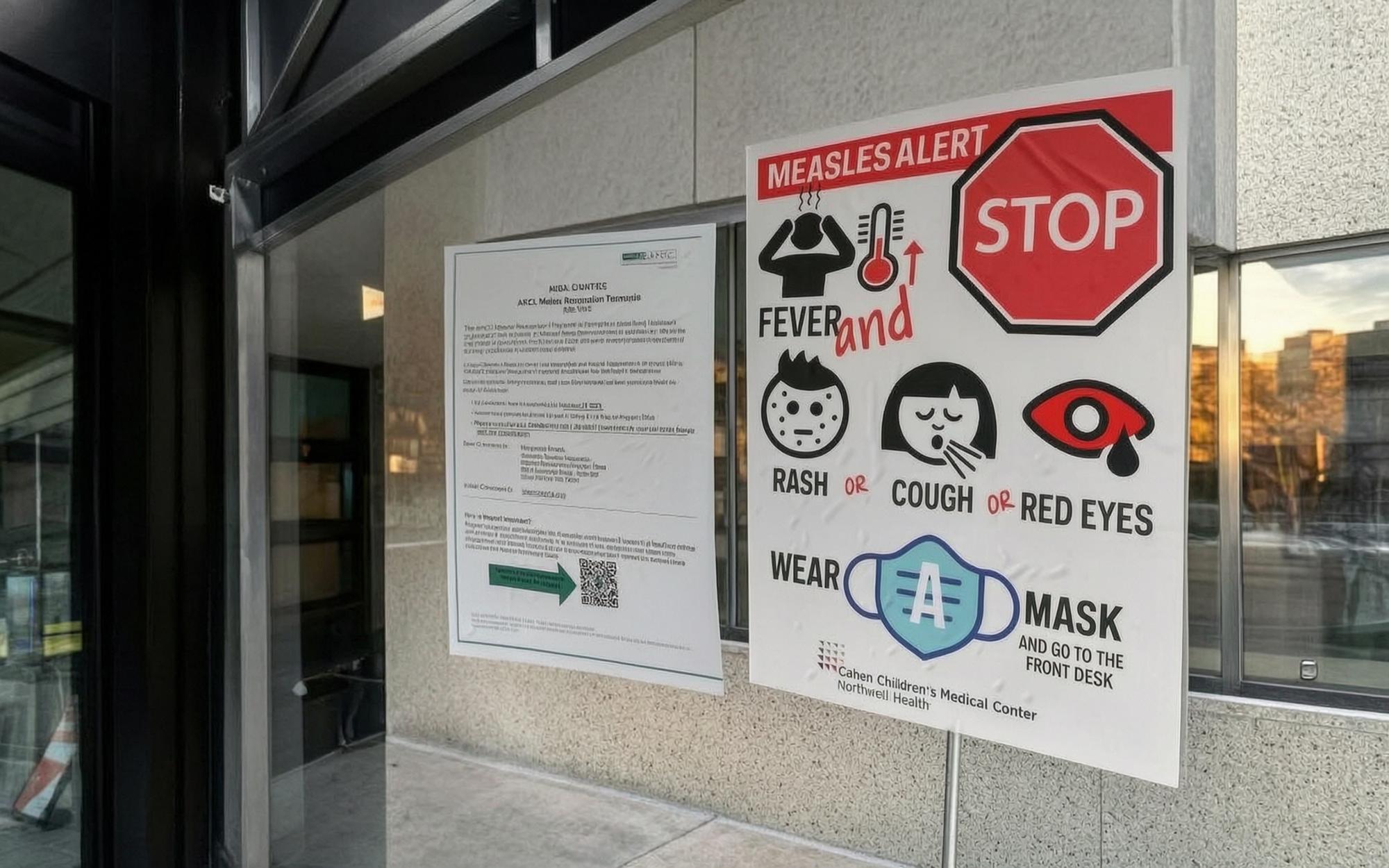
Measles was declared eliminated in the United States in 2000. During the quarter century that followed, the country recorded an average of only 180 measles cases each year, according to federal data cited in the source.
That pattern changed when measles began a major resurgence in 2025. Despite the emergency declaration and rising infections, New York’s outbreak remains far smaller than several other outbreaks reported across the United States during the past two years.
At least 762 cases were associated with an outbreak in West Texas last year. The figures cited for that outbreak were several times higher than the 108 cases New York had recorded through October 3.
South Carolina also experienced an outbreak that approached 1,000 cases. That outbreak was declared over in April, according to the information accompanying the New York emergency declaration.
Neighboring Pennsylvania, meanwhile, is battling a rapidly spreading outbreak. The New York order said Pennsylvania had recorded 977 cases and five deaths as of October 2, mostly in rural counties bordering New York.
Pennsylvania health officials provided a higher total on Monday, saying the state had passed 1,000 cases. They described it as Pennsylvania’s largest state outbreak in more than three decades.
Across the country, the United States is experiencing its worst year for measles since 1991. Nearly 3,900 cases have been reported nationwide, according to the Centers for Disease Control and Prevention.
New York’s order allows registered nurses to order tests for people suspected of having measles. It also permits pharmacists to administer MMR vaccines to children as young as two, further expanding the group of professionals authorized to provide the vaccine.
The order introduces tighter reporting requirements for those vaccinations. Every MMR vaccination must be reported to state or New York City immunization registries within 72 hours.
For adults, the order waives consent for reporting vaccinations to those registries. The change applies to the reporting of vaccination records, not to consent for receiving the vaccine itself.
Vaccination still requires the consent of the patient or a legal guardian. The statewide disaster emergency took effect on Monday and is scheduled to remain in force through November 4 as New York responds to the outbreak.
Join the Discussion
COMMENTS POLICY: We have no tolerance for messages of violence, racism, vulgarity, obscenity or other such discourteous behavior. Thank you for contributing to a respectful and useful online dialogue.