WHAT YOU NEED TO KNOW
- The United States formally escalated demands for information about a Russian laboratory worker’s death and possible pneumonic plague.
- Russian authorities told WHO that contacts were tested and placed under observation, with no high threat pathogens detected.
- US officials have not imposed travel restrictions but remain concerned about Russia’s limited disclosures and the possibility of a modified disease.
- Experts said depleted public health resources could complicate a response if another dangerous pathogen emerges.
The Trump administration is struggling to obtain clear answers about the death of a Russian laboratory worker at an institute that studies plague. Days of limited disclosure from Russian officials have complicated efforts to assess the episode and prepare for any potential public health consequences.
The death at the Irkutsk Research Anti-Plague Institute of Siberia set off alarms across the administration. Multiple sources familiar with the matter said officials began gathering intelligence and considering what a public health response might require.
The United States formally escalated its request through a diplomatic communication known as a démarche, a source familiar with the matter told CNN late Tuesday. A State Department spokesperson said the government had officially requested more information from Russia and was communicating with other countries.
Secretary of State Marco Rubio cautioned against drawing conclusions while criticizing the lack of clarity. “Maybe it’s bigger than we thought. We don’t know, but I think it would be reckless at this moment, given the limited information we still have, to speculate.”
US officials were in contact with the Russian government as early as last Friday, according to a State Department official. Those discussions included communication between the department’s health experts and the Russian Foreign Ministry, while additional outreach continued.
President Donald Trump told reporters Tuesday that he had a call scheduled with Russian leader Vladimir Putin about the matter “very soon.” The Kremlin said Wednesday that no call had been arranged between the two leaders to discuss the plague scare.
Officials remain skeptical about the limited information released by Russia and are unconvinced that the Kremlin has been fully forthcoming. Still, the administration has not imposed travel restrictions while intelligence collection and diplomatic efforts continue.
The United States already advises Americans not to travel to Russia, citing factors including the possibility of wrongful detention and the war with Ukraine. Officials have also emphasized that many details surrounding the laboratory worker’s death remain unconfirmed.
One crucial question is whether the lab worker, who was 28, contracted pneumonic plague or another unidentified infectious disease. The institute also studies dangerous diseases including cholera, anthrax and brucellosis, according to its website.
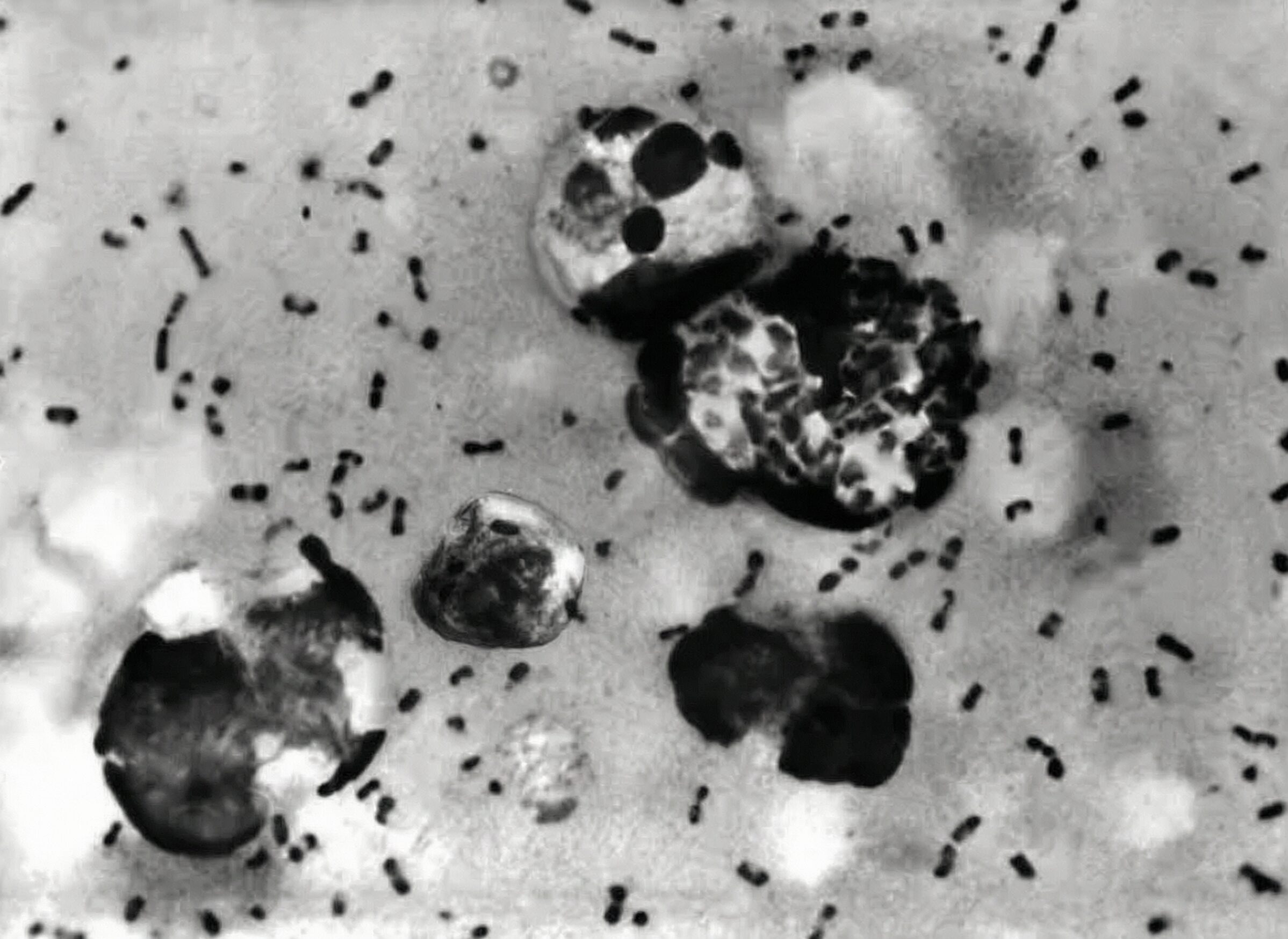
US officials are seeking information about whether the disease involved was modified through gain of function research. That answer could substantially affect how the United States and other countries respond to any potential danger.
Rubio and other administration officials have publicly played down the immediate threat to Americans, noting that pneumonic plague can be treated with antibiotics. Behind the scenes, however, people familiar with the situation described deep unease over the continuing information gaps.
Those concerns have been amplified by Russia’s response, including the quarantine of the hospital where the worker received treatment, according to the mayor of the Shelekhovsky district. A regional news outlet reported that nearly 200 people were under observation.
The National Security Council and State Department have led efforts to determine what happened and evaluate potential risks. The US Centers for Disease Control and Prevention and the Administration for Strategic Preparedness and Response have also participated.
Trump officials have communicated through unofficial channels with the World Health Organization, despite Trump pulling US funding from the organization after taking office. The government has continued communicating with the international health body during emergencies.
WHO chief Tedros Adhanom Ghebreyesus said Russian health authorities reported that no plague case had recently been registered in the Irkutsk region. Authorities also told WHO that contacts were identified, tested and placed under medical observation, with no high threat pathogens detected among them.
The WHO is seeking clarification about reports of another employee with pneumonia of undetermined cause. CNN said it was unaware of the unspecified Russian reports cited by some Western outlets, while neither local Siberian media nor local officials had confirmed another infection.
The institute’s relatively remote location and pneumonic plague’s limited ability to spread quickly have offered experts some reassurance. Pneumonic plague is a bacterial infection, and although it can be fatal without treatment, effective antibiotics are widely available.
Officials and experts said the Health and Human Services Department may have enough medical stockpile resources to confront conventional pneumonic plague. They expressed less certainty about a modified version or how long developing an effective treatment might take.
Jennifer Nuzzo of the Brown University School of Public Health said response capabilities have been weakened by funding cuts and other crises, including US efforts against measles outbreaks. She warned: “We are talking about a very depleted system. God forbid you layer another pathogen onto the already laborious and difficult work of going after measles.”
Join the Discussion
COMMENTS POLICY: We have no tolerance for messages of violence, racism, vulgarity, obscenity or other such discourteous behavior. Thank you for contributing to a respectful and useful online dialogue.