WHAT YOU NEED TO KNOW
- Nate Cooper believes GLP-1 drugs are affecting alcohol consumption more severely than food consumption.
- Snack brands may respond to smaller appetites by putting more protein and fiber into reduced quantities of food.
- Cooper said hemp THC beverages could eventually account for 10% of alcohol sales in stores if they remain legal.
- He proposed age restrictions, milligram limits, and eliminating synthetic products as a regulatory framework.
Weight loss drugs may be landing a much heavier blow on alcohol than on snack foods, according to Nate Cooper, founder and managing partner of Barrel Ventures. His view is that eating remains necessary, while drinking can be cut out entirely.
“At the end of the day, you have to eat, right? What you don't have to do is you don't have to drink alcohol,” Cooper told Yahoo Finance Executive Editor Brian Sozzi on the Power Players podcast.
“I think GLP-1s are having a much more severe impact on alcohol consumption than they are in food,” Cooper said. His stated reasoning was straightforward: GLP-1 drugs “decrease addictive behaviors.”
Cooper has experience investing in emerging food and beverage brands. His first substantial check as an investor went into Olipop during the early stages of the company, giving him a close view of changing consumer preferences.
Sozzi noted that snack giants including PepsiCo and Campbell's have pushed back against predictions that GLP-1 drugs will damage their businesses over the long term. Their portfolios include some of the most familiar names in the snack aisle.
PepsiCo owns Frito-Lay, while Campbell's makes Goldfish and Snyder's-Lance pretzels. Those companies do not accept the premise that reduced appetites linked to GLP-1 use will create lasting harm for their snack businesses.
Cooper expects the pressure on snacks to emerge more gradually. He described the likely pattern as “a slow drip effect,” rather than the more severe impact he believes the drugs are having on alcohol consumption.
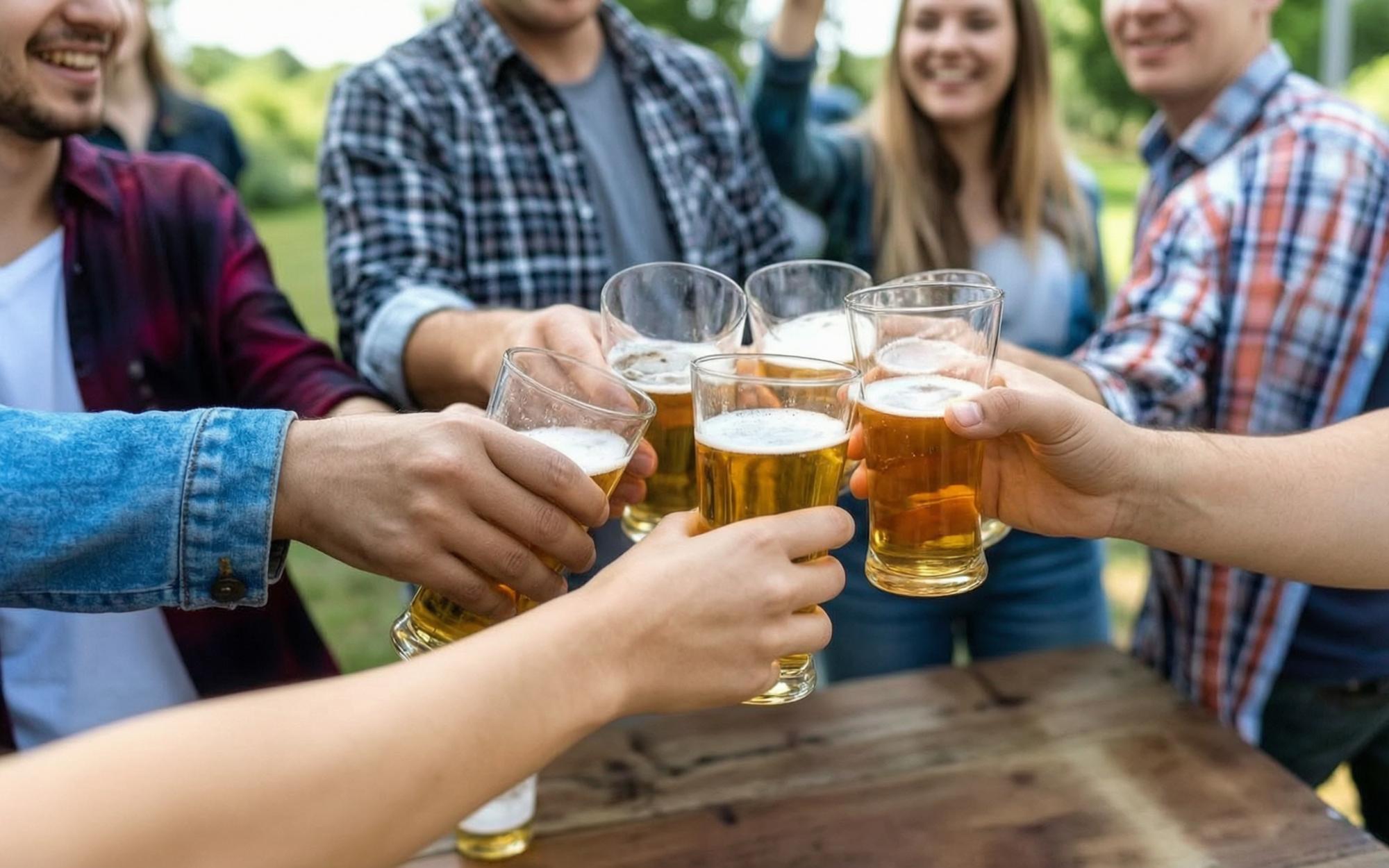
Even with people eating less, Cooper does not expect snacking to vanish. “Snacking is never going to disappear,” he said, drawing a clear distinction between reduced portions and the complete elimination of the habit.
Instead, he expects brands to adjust what they put into their products and how much food they offer. Companies will pack more protein and fiber into smaller quantities “because people are eating less.”
The decline in drinking could also create room for alternative beverages. Barrel Ventures invested in Nowadays, a hemp THC beverage, roughly a year and a half to two years before Cooper's discussion with Yahoo Finance.
Cooper said Nowadays ranked as the second bestselling item during the previous year at the country's largest liquor retailer. The only product ahead of it was a 750 ml bottle of Tito's vodka.
He described the attraction of the hemp THC beverage as “a similar feeling of having a drink or two without the downside effect of like waking up and feeling like crap in the morning.” That experience, in his account, offers an alternative for consumers who want some effects associated with drinking.
Cooper believes the category could eventually represent 10% of alcohol sales in stores. He said that outcome is “not out of the realm of possibility,” although his projection depends on the products remaining legal.
Applied across alcohol sales in the United States, Cooper said that share would amount to $50 billion annually. He emphasized the speed of the category's emergence by describing it as one “that didn't exist five years ago.”
The potential growth comes with regulatory questions. Cooper proposed a three tier framework for lawmakers considering rules that would treat the beverages in a manner similar to alcohol.
His proposal calls for restricting purchases by age, limiting the number of milligrams in the drinks, and eliminating synthetic products. The framework reflects his view that the category could claim a meaningful portion of store alcohol sales if it remains legal.
For food companies, the expected adjustment is more modest but still significant. Smaller amounts of food containing more protein and fiber could become a central response as GLP-1 users eat less without abandoning snacks altogether.
Alcohol sellers may face the more immediate challenge because consumers can stop drinking rather than simply reduce portions. In Cooper's assessment, that basic difference leaves booze considerably more exposed to the behavioral effects associated with GLP-1 drugs.
Join the Discussion
COMMENTS POLICY: We have no tolerance for messages of violence, racism, vulgarity, obscenity or other such discourteous behavior. Thank you for contributing to a respectful and useful online dialogue.