WHAT YOU NEED TO KNOW
- Russia says no epidemic risk exists after a laboratory worker died at a plague research institute in Siberia.
- Monitoring was completed for more than 90% of the worker’s contacts, with nearly 5,000 tests finding no dangerous pathogens.
- WHO says the cause of death remains unclear and that a full public health risk assessment has not been possible.
- Russian officials denied reports of a second illness, while the United States formally requested additional information from Moscow.
Russia’s health watchdog says there is no epidemic risk after the death of a laboratory worker at a plague research institute in Siberia. The World Health Organization, however, says the cause remains unexplained and is pressing Moscow for more information.
Rospotrebnadzor said Wednesday that it was winding down preventive measures in Russia’s Irkutsk region, where the laboratory is located. Medical monitoring had been completed for more than 90% of the deceased worker’s contacts, and the agency said no dangerous pathogens had been found.
“As of October 7, 2026, medical monitoring has been completed for over 90% of contacts. No health issues related to infectious disease were detected, and the results of nearly 5,000 laboratory tests revealed no dangerous pathogenic microorganisms.”
The technician worked at the Irkutsk Research Anti-Plague Institute of Siberia in Russia’s southeast. Her death has prompted international concern and speculation in recent days about the cause of her illness.
Rospotrebnadzor, which handles infectious disease in Russia, also rejected reports that a second person had become ill after contact with the worker. Those reports had appeared in a small number of Western media outlets and later drew questions from WHO officials.
Local authorities previously introduced disease control measures at hospitals in Irkutsk. That response fueled questions among some residents about whether authorities were being transparent, even as Russian officials insisted the situation posed no epidemic threat.
WHO Director General Dr. Tedros Adhanom Ghebreyesus said a “full risk assessment” had not been possible. He added that “timely, complete and transparent information sharing under the international regulations is essential to clarify conflicting reports and enable an accurate assessment of potential public health risks.”
WHO experts also revised their early assessment that the death represented a “low” public health risk. Because the technician may not have died from pneumonic plague, a bacterial infection that can pass between people but does not spread easily, the organization now considers the event’s risk undetermined.
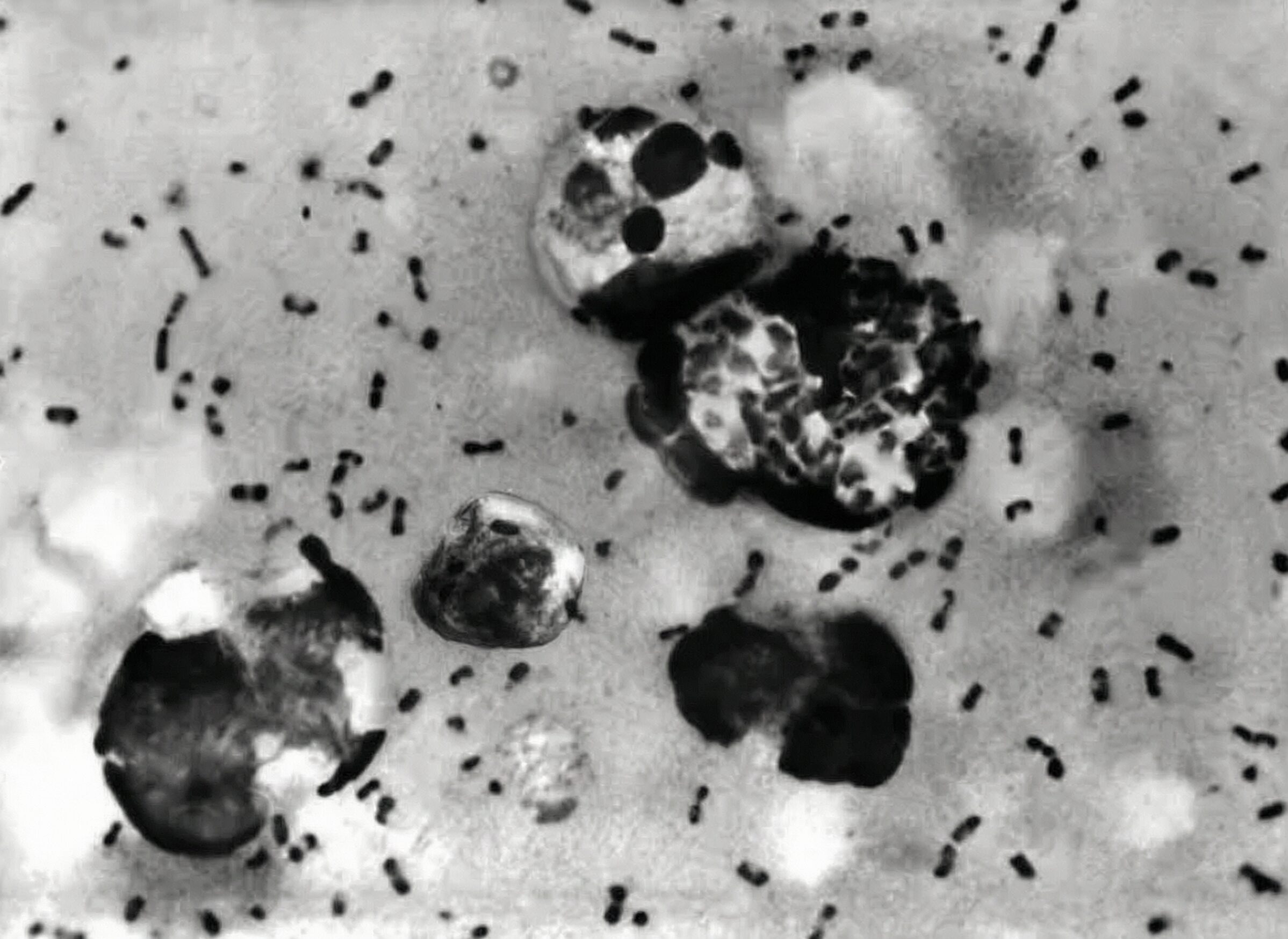
Dr. Maria Van Kerkhove, director of WHO’s department of epidemic and pandemic management, said the organization had contacted colleagues in Russia’s Ministry of Health. She said WHO expected “further answers” about the testing, analysis and monitoring conducted after the worker became ill.
“What we have been told is that they had no case of plague registered in this area, and that no high-threat pathogens were detected,” Van Kerkhove said. She added, “So clearly, we would like more information to understand which laboratory tests were conducted, which pathogens were evaluated, and if this individual didn’t die from plague, then how did she die?”
The Kremlin dismissed the concerns and said it had kept WHO informed “in accordance with established practice.” Under the International Health Regulations, WHO member states must notify the organization about events that may constitute a public health emergency of international concern.
On Thursday, Rospotrebnadzor called reports of a second illness “incorrect.” Its statement said the claims involved a person who had contact with an Irkutsk Anti-Plague Institute employee previously diagnosed with community acquired pneumonia.
Tedros had said Tuesday that WHO wanted clarity concerning “media reports of a second employee with pneumonia of undetermined cause.” He did not identify the reports to which he was referring.
The Trump administration also sought additional information from Moscow. President Donald Trump said Wednesday that the United States did not believe Shipilova died from exposure to a bioweapon, while noting Russia’s insistence that the institute situation was under control.
“We don’t think so,” Trump said. “We’re going to find out soon enough, but we don’t think so.”
The United States escalated its request by issuing a formal diplomatic communication known as a démarche, according to a source familiar with the matter. A State Department spokesperson said, “We have officially requested additional information from the Russian government.”
Secretary of State Marco Rubio warned against reaching conclusions with the available information. “Maybe it’s bigger than we thought. We don’t know, but I think it would be reckless at this moment, given the limited information we still have, to speculate.”
Trump described Russia as “very sophisticated, very smart” and repeated Moscow’s position that the situation was under control. At the same time, he acknowledged that Russian officials had disclosed little as international demands for clearer answers continued.
Join the Discussion
COMMENTS POLICY: We have no tolerance for messages of violence, racism, vulgarity, obscenity or other such discourteous behavior. Thank you for contributing to a respectful and useful online dialogue.