Autism spectrum disorder is a neurodevelopmental condition that presents as differences in how a person engages with others and communicates, accompanied by restricted interests and patterns of behavior that repeat over time.
This portrait reflects a diverse group rather than a single mold, and understanding its breadth requires listening to families, clinicians, and scientists who study how the condition unfolds across different stages of life.
Over many years of clinical observation and scientific inquiry, researchers have stressed that autistic traits form a spectrum rather than a uniform category, with cases varying in severity, affected domains, and accompanying strengths.
A growing body of work indicates there are detectable differences in brain development among many autistic individuals, differences that tend to emerge earlier rather than later in life and may set developmental trajectories before behavior becomes fully evident.
Here's What They're Not Telling You About Your Retirement
MORE NEWS: Buffalo Bills Mourn with Ed Oliver After Devastating Drowning Death of His 2-Year-Old Son
Neuroimaging and longitudinal investigations have highlighted patterns of connectivity and growth that distinguish autistic brains from neurotypical ones, suggesting that biology and experience interact to shape how social communication and repetitive behaviors arise.
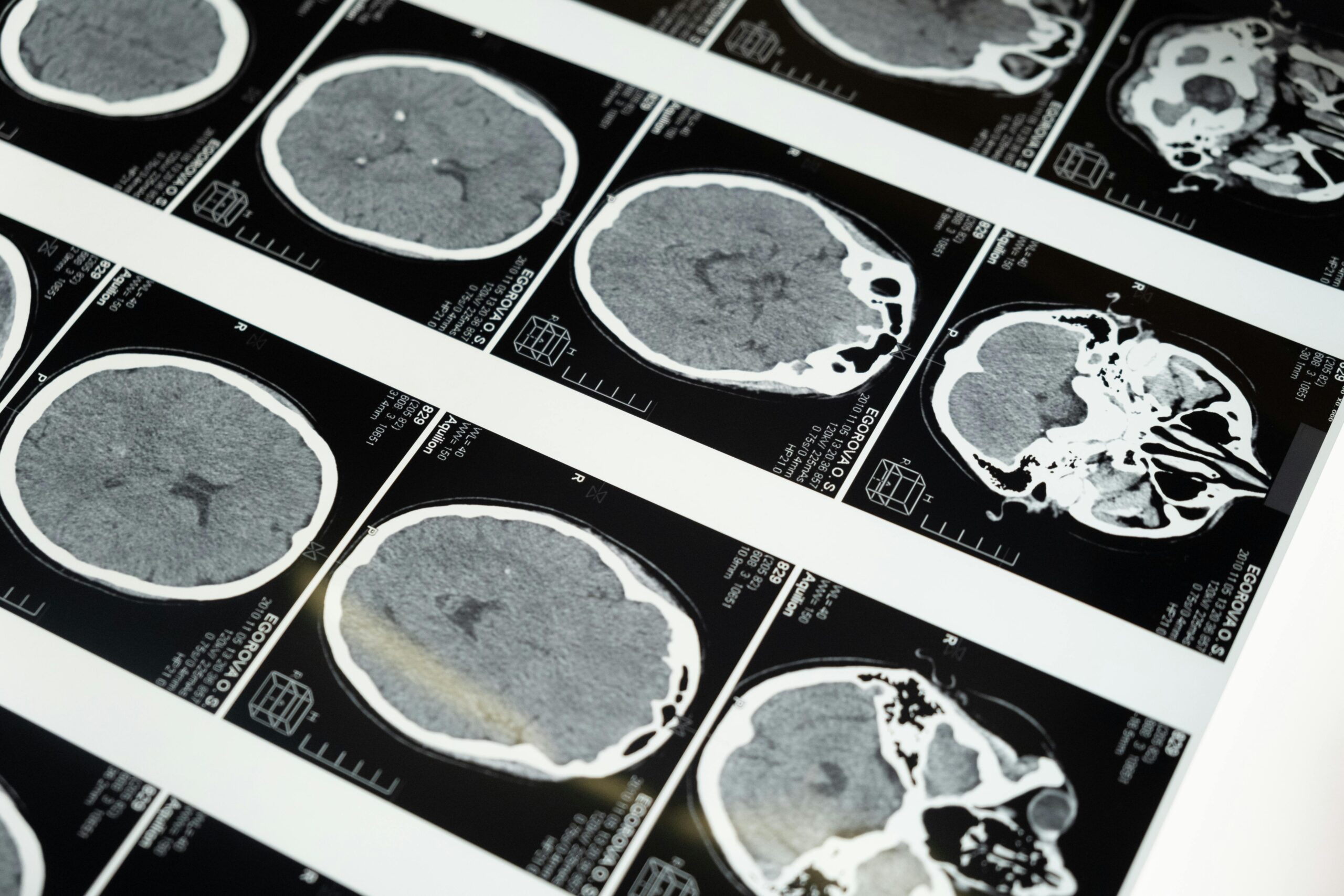
This does not imply a fixed destiny for every child, because the developing brain remains remarkably plastic, and early targeted supports can steer pathways toward more adaptive functioning.
Recognizing early signs is not about labeling a child as permanently altered; it is about opening access to evidence based interventions that support communication, reduce anxiety, and build resilience, while allowing families to pursue goals that align with their values and resources.
This Could Be the Most Important Video Gun Owners Watch All Year
Accurate diagnosis requires careful screening and clinical judgment, ensuring that behaviors are understood in context and not mistaken for misconduct, and that co existing conditions are considered so that treatment plans are well anchored.
Health systems should prioritize robust screening, timely referral, and access to professionals trained to differentiate autism from other developmental variations, all while minimizing bureaucratic barriers that delay care for families who need it most.
Policy discussions should be guided by solid evidence and practical outcomes, recognizing that there is no single test that defines autism and that personalized care respects family autonomy and responsibility.
The research enterprise benefits from transparent methods, replication, and inclusive study designs that reflect diverse populations, because bias can distort what we know about prevalence, risks, and the effectiveness of interventions.
Families are central partners in care and discovery; their observations, experiences, and participation in therapy and research help shape approaches that work in real life, in homes, schools, and communities.
As understanding grows and technologies evolve, the aim remains to provide robust, evidence based supports that help children flourish, recognizing the strengths that accompany every neurodevelopmental profile while reducing unnecessary burdens imposed by ill suited expectations.
Join the Discussion
COMMENTS POLICY: We have no tolerance for messages of violence, racism, vulgarity, obscenity or other such discourteous behavior. Thank you for contributing to a respectful and useful online dialogue.