Health officials are tracing a deadly hantavirus outbreak that began aboard the MV Hondius cruise ship, leaving three passengers dead and several others infected as the vessel traveled between South America and the Atlantic islands.
The World Health Organization confirmed the outbreak, linked to the Andes virus strain, after multiple passengers and crew members developed severe respiratory symptoms during the voyage.
The Dutch-operated cruise ship, run by Oceanwide Expeditions, set sail from Ushuaia, Argentina, with stops planned in Antarctica and remote South Atlantic islands.
The chain of illness began when a 70-year-old Dutch passenger developed fever, headache, and mild diarrhea after touring Argentina and Chile before boarding.
Here's What They're Not Telling You About Your Retirement
His condition worsened to respiratory distress, and he died on board before the cause of death was determined. His body remained on the ship until it reached the island of St. Helena, where it was removed.
At that stop, his wife and more than two dozen other passengers disembarked. The woman soon fell ill and later collapsed at an airport in South Africa while trying to board a flight home. She died shortly afterward.
Authorities later confirmed both Dutch passengers had been infected with hantavirus. Tests identified the circulating strain as Andes virus, the only hantavirus known to spread from person to person.
After St. Helena, a British passenger on the same voyage developed high fever and shortness of breath. He was airlifted to South Africa, placed in intensive care, and eventually tested positive for hantavirus.
This Could Be the Most Important Video Gun Owners Watch All Year
Shortly after, a German woman who remained on board became ill as the ship approached Cape Verde off the coast of West Africa. She died at sea, marking the third confirmed fatality in the outbreak.
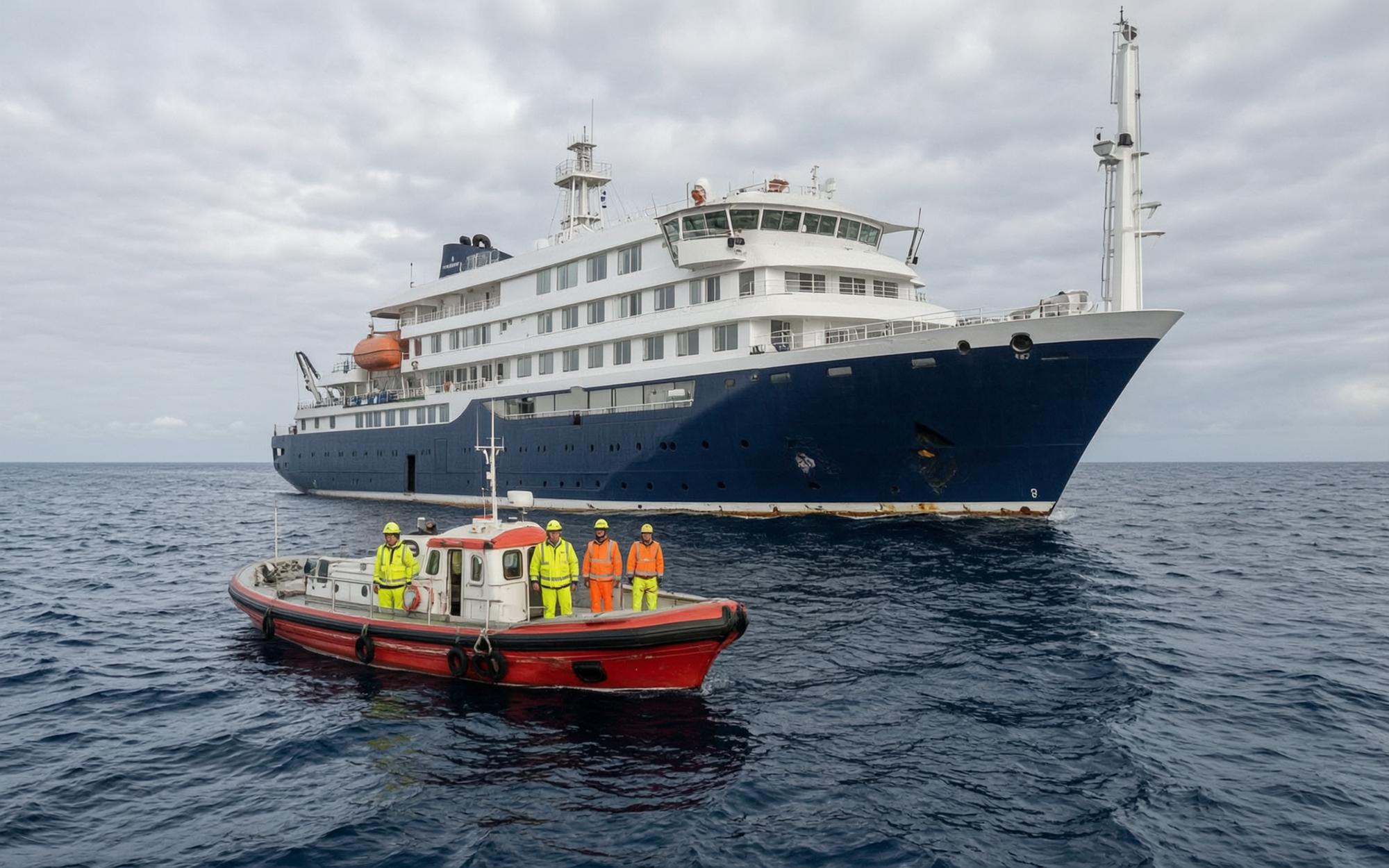
By early May, the World Health Organization had officially classified the incident as an outbreak and initiated a global tracing effort for passengers who had disembarked at various ports.
Health authorities in Switzerland later reported another confirmed case in a man who had left the ship earlier at St. Helena. That brought the total number of confirmed infections to five by early May.
Countries involved in the tracking effort include Switzerland, Britain, the Netherlands, France, Singapore, South Africa, and others seeking to locate and monitor former passengers.
Authorities in Cape Verde denied requests to allow additional evacuations from the vessel but sent medical teams aboard to assist. Two crew members, including the ship’s doctor, became seriously ill, prompting further evacuations to specialized hospitals in Europe.
The Hondius then continued toward Spain’s Canary Islands, where Spanish authorities prepared to conduct health screenings and manage quarantines and repatriations for those on board.
Officials on Tristan da Cunha, who had hosted a port stop during the voyage, reported that a local resident who may have come into contact with the ship’s passengers was hospitalized with symptoms consistent with hantavirus infection.
Meanwhile, the New Jersey Department of Health confirmed that two state residents not aboard the ship were being monitored due to possible exposure during international travel associated with outbreak locations.

Public health agencies continue to coordinate testing and surveillance as investigators examine how the virus spread and work to prevent further transmission among travelers connected to the cruise.
Luis Marcos, MD, an infectious disease specialist at Stony Brook Medicine, noted that such outbreaks highlight the risks of rodent-borne viruses and the importance of rapid response measures during travel-related infections.
The MV Hondius outbreak serves as a stark example of how zoonotic diseases can cross borders quickly when exposed individuals move through multiple countries before symptoms appear.
As of May 8, health officials were still tracing passengers across several nations and monitoring anyone who might have been in contact with them, while efforts to contain the deadly cruise-linked outbreak continued.
Join the Discussion
COMMENTS POLICY: We have no tolerance for messages of violence, racism, vulgarity, obscenity or other such discourteous behavior. Thank you for contributing to a respectful and useful online dialogue.