A growing measles outbreak tied to areas of Mexico and Texas is once again raising concerns about public health, border coordination, and declining vaccination rates.
Health officials on both sides of the border are now warning that the spread of the disease could continue because many communities remain vulnerable to infection.
At the same time, the outbreak is becoming part of a larger debate over public trust in vaccines, immigration, and government responsibility.
According to reports surrounding the outbreak, health authorities have seen a steady rise in measles cases connected to cross border travel and communities with low vaccination coverage. Measles remains one of the most contagious illnesses in the world.
Because of that, even a small decline in vaccination rates can quickly create serious problems for schools, hospitals, and families. Public health experts continue to stress that the disease spreads easily through coughing and sneezing, especially in close knit communities where immunization rates have dropped.
The renewed outbreak also comes after the United States spent decades largely eliminating measles through widespread vaccination campaigns.
However, recent years have shown signs of backsliding. Several states, including Texas, have experienced outbreaks connected to lower vaccination rates and increased skepticism toward public health messaging.
In neighboring Mexico, officials have also struggled with maintaining consistent vaccine coverage in some regions.
Many conservatives and moderates alike argue that public health systems work best when governments focus on clear facts instead of political messaging.
In this case, the facts are difficult to ignore. Measles can cause severe complications, particularly in young children, including pneumonia, brain swelling, and in rare cases, death.
Therefore, many physicians continue urging parents to keep routine childhood vaccinations up to date.
At the same time, some Americans remain frustrated with the tone public officials often use when discussing vaccines.
After the Covid era, many families developed distrust toward government agencies and media organizations. Because of that lingering skepticism, health experts now face a more difficult challenge when trying to persuade hesitant parents.

Rather than relying on fear or political pressure, some doctors believe communities respond better when officials provide transparent information and allow families to ask questions openly.
The outbreak has also renewed concerns over border health coordination between the United States and Mexico.
Cross border travel is common in many regions, particularly in Texas communities that share close economic and family ties with Mexico. Health officials say diseases do not recognize national boundaries. Therefore, coordination between governments becomes essential during outbreaks involving contagious illnesses.
Still, the issue has quickly become political. Some critics argue that federal leaders have spent too much time focusing on ideological debates while ignoring practical health infrastructure needs.
Others believe stronger screening and vaccination efforts should be implemented for migrants entering the country legally or illegally.
Meanwhile, public health officials caution against turning the outbreak into a purely political argument because that could discourage cooperation from affected communities.
What remains clear is that measles outbreaks tend to occur where vaccination rates fall below community protection thresholds.
The Centers for Disease Control and Prevention has repeatedly warned that outbreaks become more likely when immunization coverage weakens over time. In 2025, the United States experienced one of its worst measles outbreaks in decades, with Texas becoming a major hotspot.
Doctors also point out that younger generations of Americans may underestimate the seriousness of measles because the disease became relatively rare after successful vaccination campaigns in the twentieth century.
Before vaccines became widespread, measles infected millions of Americans each year and caused thousands of hospitalizations. Because modern medicine greatly reduced those numbers, many families today have never personally witnessed severe measles complications.
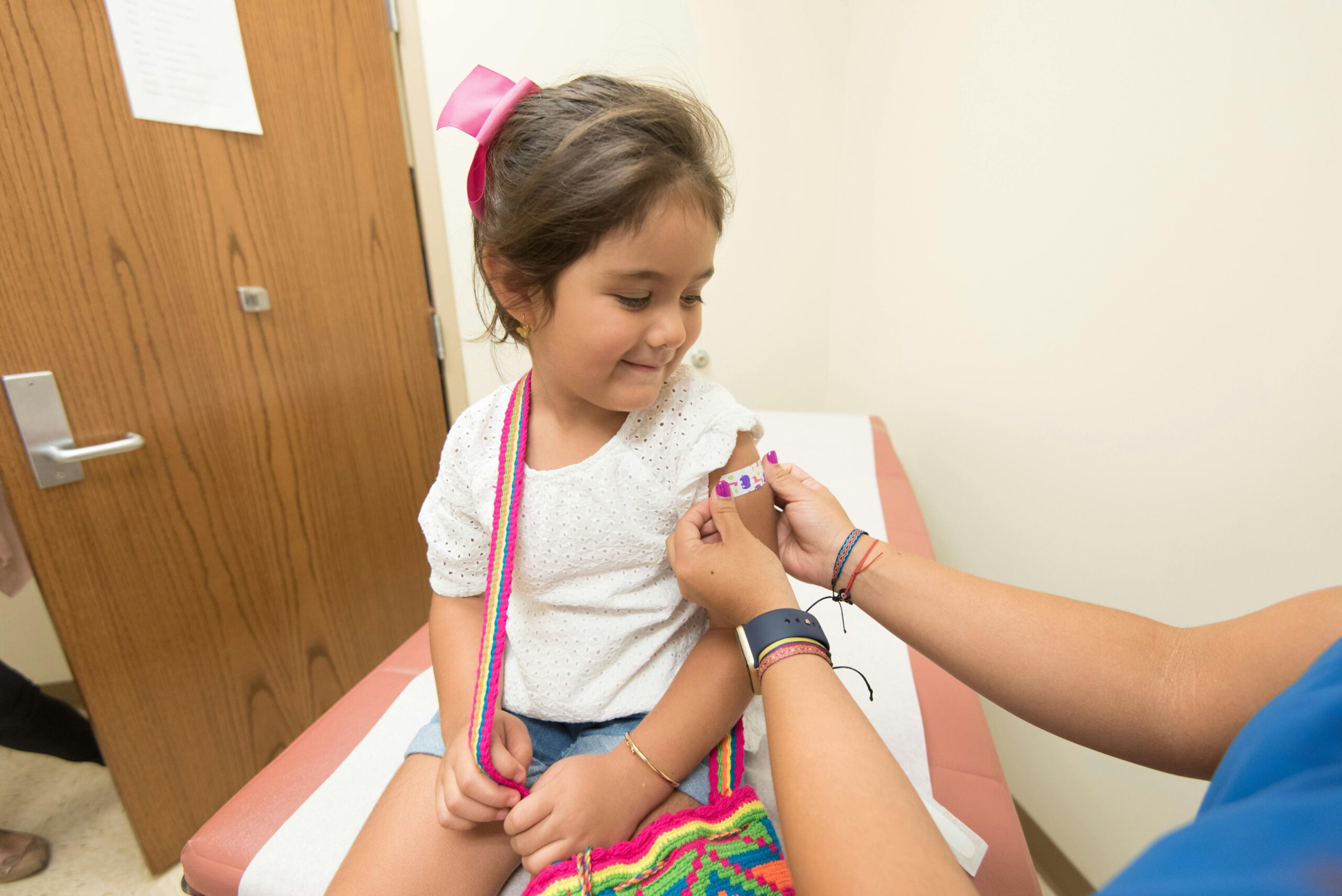
As health agencies continue monitoring the situation, officials are encouraging families to verify vaccination records and remain alert for symptoms such as fever, cough, red eyes, and rash.
Communities near the outbreak areas are also being urged to cooperate with local health departments if exposure occurs.
Ultimately, the current outbreak serves as a reminder that public health success depends on long term consistency and public trust. Medical freedom remains important to many Americans.
At the same time, communities also benefit when preventable diseases are kept under control through responsible healthcare decisions. Finding that balance will likely remain one of the central challenges facing both the United States and Mexico moving forward.
Join the Discussion
COMMENTS POLICY: We have no tolerance for messages of violence, racism, vulgarity, obscenity or other such discourteous behavior. Thank you for contributing to a respectful and useful online dialogue.