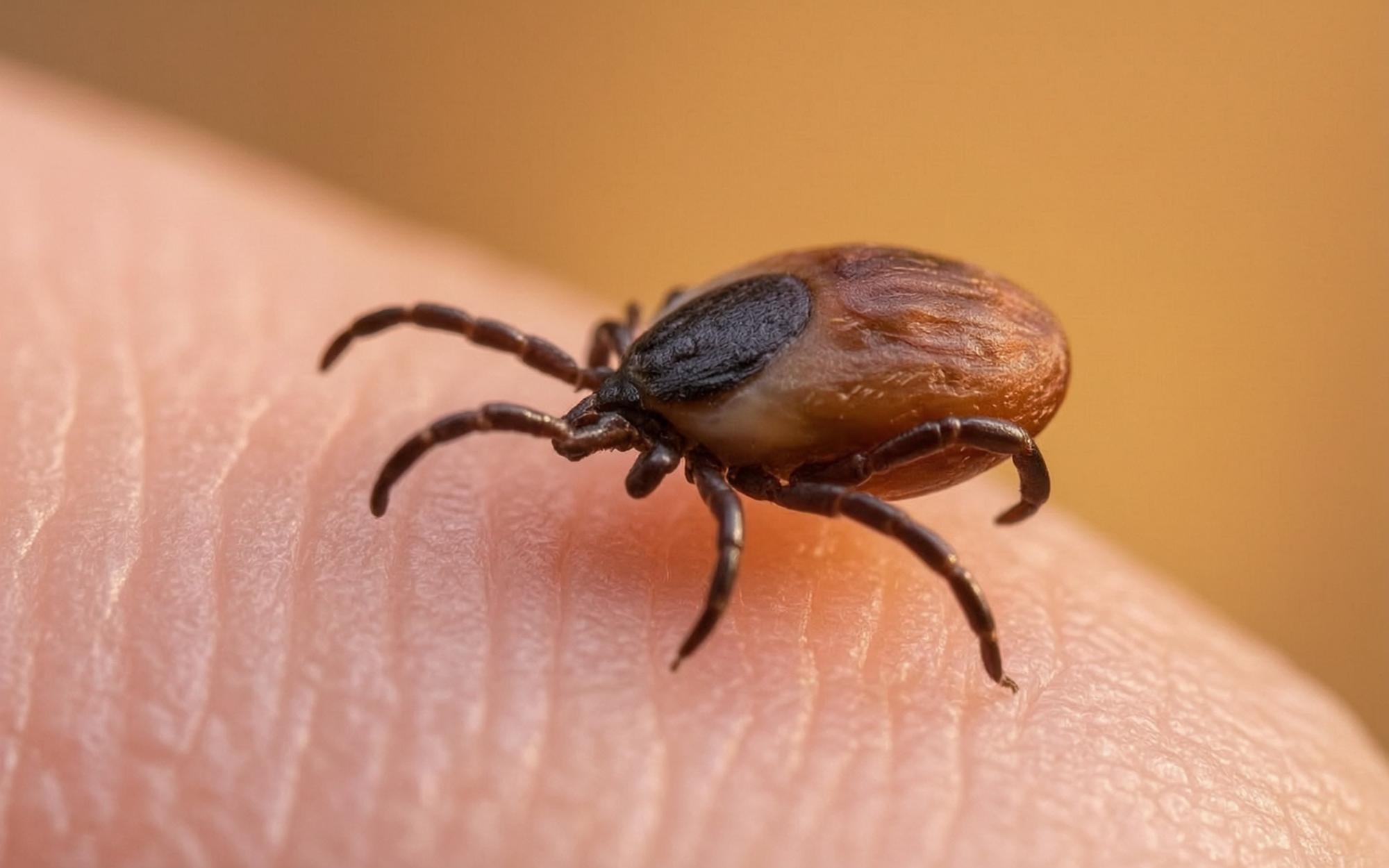
As another intense tick season unfolds, a potential new vaccine against Lyme disease is drawing attention—and questions—among the people most at risk. Hunters, who spend long hours outdoors where ticks thrive, are weighing whether they would take a shot developed by Pfizer and Valneva if it wins approval.
The companies announced in the spring that they plan to seek regulatory clearance for their vaccine. An earlier Lyme vaccine in the late 1990s was withdrawn after only three years amid lawsuits, safety fears, and low demand. Now, as vaccine skepticism remains high in the wake of the COVID era, public reaction could again determine its fate.
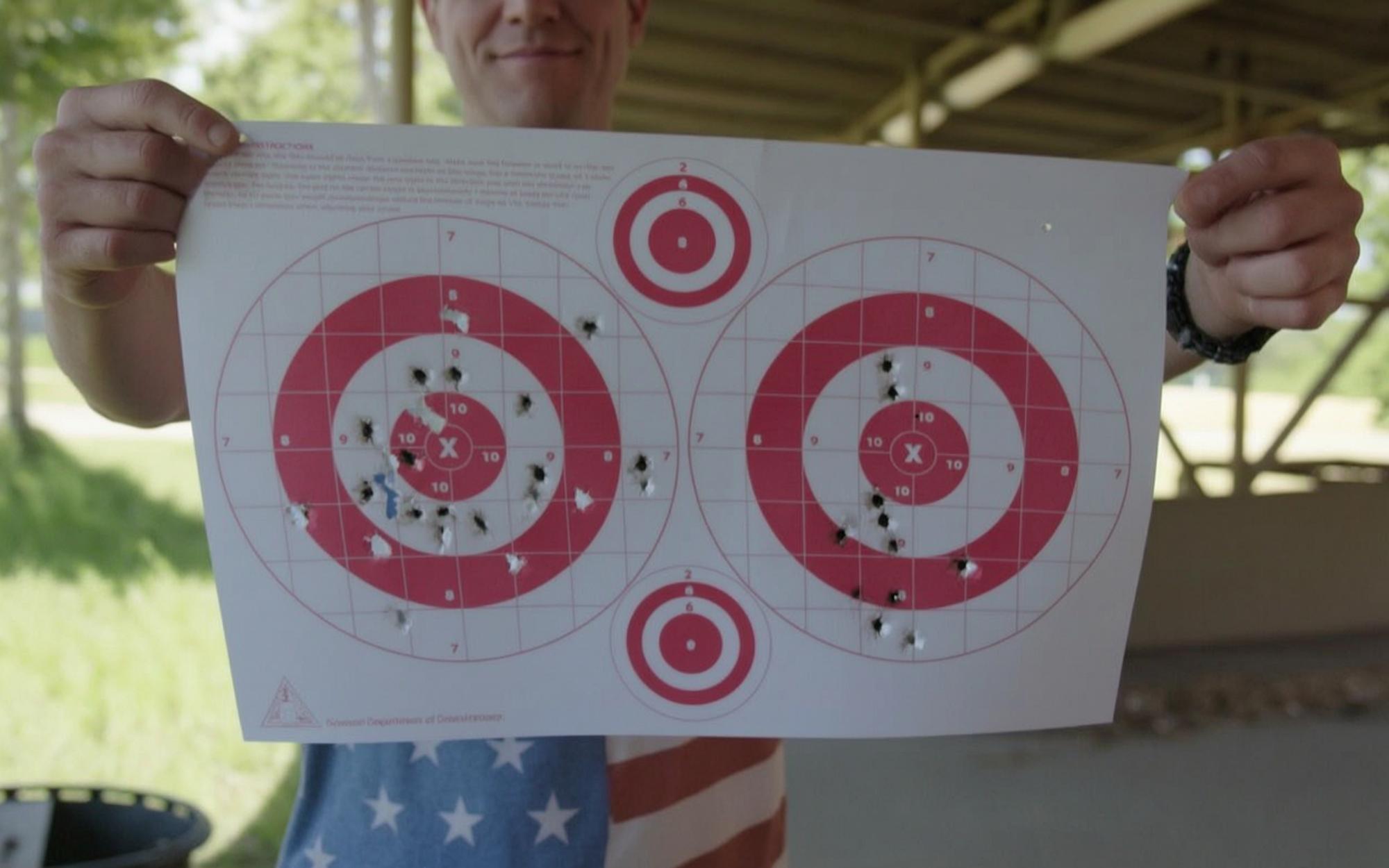
To get a sense of how the vaccine might be received, KFF Health News met with a group of hunters at the Busch Shooting Range in Weldon Spring, Missouri. They represent a community that is both heavily exposed to ticks and traditionally cautious about new vaccines.
Matthew Mealer, practicing at the range, said he is generally skeptical of vaccines but might consider one for Lyme if proven safe and effective. Jess Manganelli was the most enthusiastic, saying she would “absolutely” get vaccinated given her time outdoors.
Manganelli recalled a tick bite two years ago that left her with muscle weakness, fatigue, and headaches. Although she was never tested for Lyme disease, the experience made her more aware of the risks. Most of the hunters she spoke with said they knew someone who had battled Lyme.
Their experiences reflect statistics from the Centers for Disease Control and Prevention, which estimates about 476,000 Americans are diagnosed and treated for Lyme each year. The CDC also notes that case reports have expanded significantly since 1995 as the tick population spreads to new regions.
Some of the Missouri hunters remain undecided. Six said they would consider getting vaccinated but wanted more data on safety, effectiveness, and their personal risk before committing. One hunter said he would not get the shot at all, preferring faith and resilience to medical intervention.
For many, caution stems from direct experience. Jeremy Hollingshead said his reluctance partly comes from seeing a former roommate struggle with the lingering effects of Lyme years after infection.
Still, he believes his own chances of contracting it are slim, given how few people he knows have been diagnosed despite spending their lives in the woods.
Julian Barnes expressed similar caution, saying he is “vaccine-hesitant, generally speaking,” but more open to a Lyme shot after watching a relative endure a long, difficult recovery.
“I would definitely have to really understand the vaccine, how it works,” he said.
Hunters and outdoorsmen like Steven Rinella, host of the hunting show *MeatEater*, know the risk firsthand. Rinella and his son both contracted Lyme during a fishing trip in New York 13 years ago. His son recovered quickly with antibiotics, but Rinella suffered long-lasting symptoms that required intravenous treatment. The experience changed his perspective.
“I would absolutely consider getting a Lyme vaccine if it proved safe,” he said.
Pfizer and Valneva’s new vaccine candidate reportedly reduced Lyme cases by roughly 75 percent during trials, though it fell short on one trial benchmark because too few participants were infected to fully measure results. The companies said they plan to move forward and submit it for regulatory review. A Pfizer spokesperson said there were no updates as of June.
Political attitudes could also shape how Americans respond. Health and Human Services Secretary Robert F. Kennedy Jr., once a prominent critic of vaccines, has also been outspoken about Lyme disease.
In May, he launched a federal initiative to fight the illness and pledged during his Senate hearings that “nobody would work harder” to find a treatment or vaccine.
Ashley Kirzinger, associate director for Public Opinion and Survey Research at KFF, said Kennedy’s support could sway vaccine-skeptical groups. “They trust him as much as they trust their own doctors,” she said, predicting that his endorsement could reduce resistance among his supporters.
At the range in Missouri, most of the hunters seemed open yet cautious. They agreed that Lyme can be debilitating and that prevention matters, but trust and familiarity will determine whether they line up for a shot.
One of them, JP Cummings, was clear about his choice. “I kind of hand it off to God and the body he gave me,” he said. “I’m pretty durable.” Still, he admitted curiosity about how his peers might respond if the vaccine becomes available.
“Hunting communities care deeply about wildlife and their own health,” Cummings added. “They love the outdoors, their deer, and their fellow hunters.”
Join the Discussion
COMMENTS POLICY: We have no tolerance for messages of violence, racism, vulgarity, obscenity or other such discourteous behavior. Thank you for contributing to a respectful and useful online dialogue.